
Picking
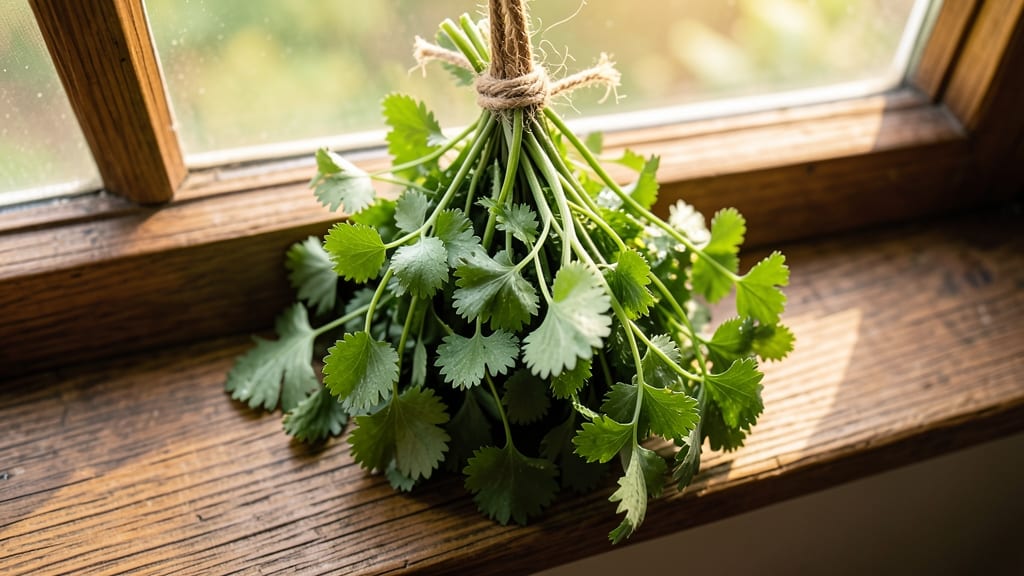
Harvesting cilantro properly can double your yield and keep it fresh longer. These 10 expert techniques prevent bolting, maximize flavor, and ensure your garden stays productive all season.
Cut-and-Come-Again Method for Continuous Growth
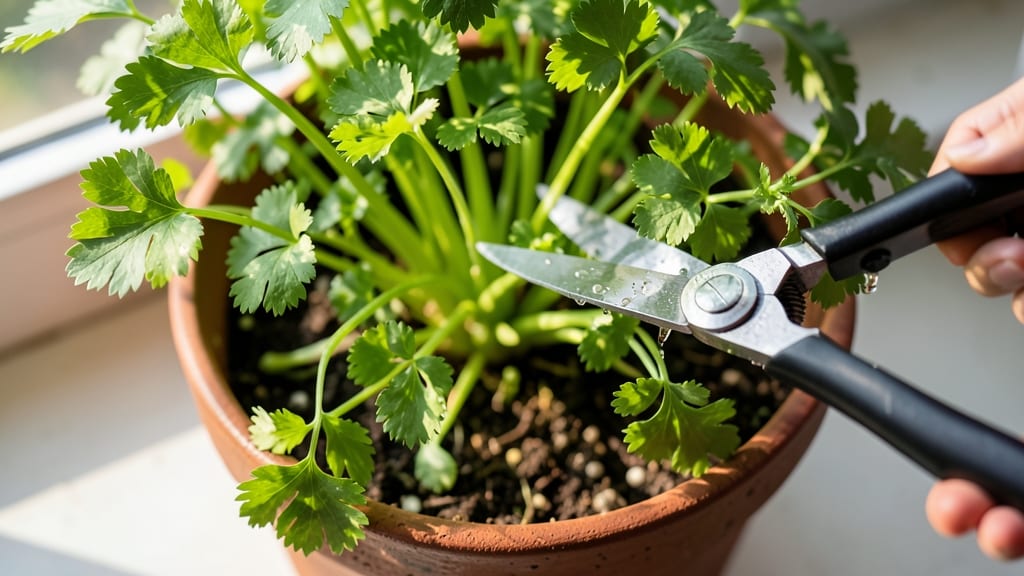
Container gardening just got easier—this simple cut-and-come-again method turns your cilantro into a never-ending harvest machine. By snipping stems just 2-3 inches above the soil, you trigger bushier regrowth, preventing those unsightly leggy stems that ruin the look (and flavor) of your plants.
Use clean, sharp scissors or pruning shears to avoid crushing stems. Focus on harvesting outer stems first, leaving the inner growth intact to keep the plant dense. For container cilantro, this method works best when you harvest every 7-10 days—just enough to encourage new shoots without overwhelming the plant.
Perfect for urban gardeners or anyone short on space, this technique keeps your cilantro thriving for weeks longer than traditional harvesting. 🌱
Leaf-by-Leaf Harvesting for Slow Bolting
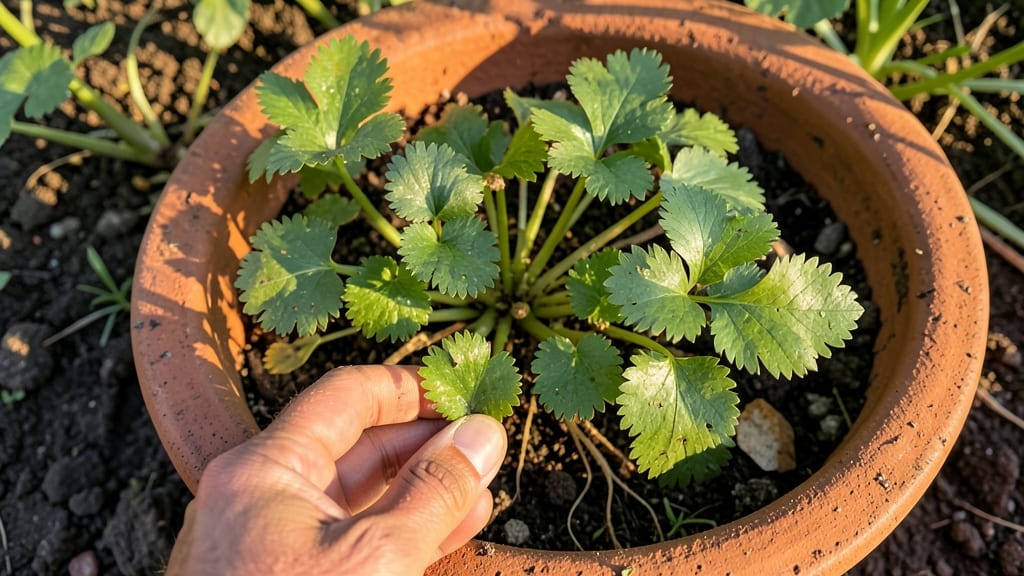
If your cilantro is struggling to survive scorching afternoons, leaf-by-leaf harvesting is your secret weapon. Instead of cutting entire stems, gently pluck just the outer leaves—this preserves the plant’s energy while keeping it productive in hot climates where bolting is common.
Start by selecting the largest, most mature outer leaves and pinch them off at the base, leaving the inner growth intact. This method mimics natural leaf shedding and prevents stress that triggers bolting. Water deeply after harvesting to support recovery, and avoid taking more than one-third of the plant’s foliage at once.
Perfect for urban gardeners or anyone with limited shade, this technique extends your harvest season by weeks. Your cilantro will stay lush and flavorful longer—no more sad, bolted plants! 🌿
Stem Snipping for Flavor Concentration
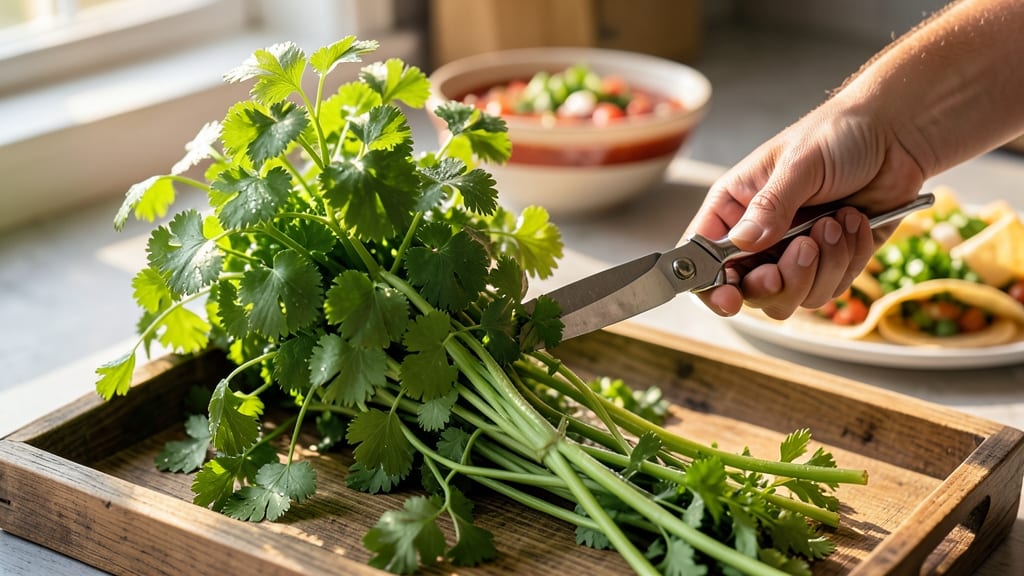
Want your cilantro to pack the most bold, intense flavor for salsas, tacos, or garnishes? Try stem snipping—harvesting entire stems at once instead of picking leaves individually. This method concentrates the plant’s energy, delivering leaves with a richer, more vibrant taste that’s perfect for dishes where cilantro is the star.
Use clean, sharp scissors to snip stems about 2-3 inches above the soil, leaving the base intact. This encourages the plant to produce thicker, more flavorful regrowth while minimizing stress. For the best results, harvest early in the morning when essential oils are at their peak concentration. Store cut stems upright in a glass of water in the fridge to preserve crispness for up to a week.
This technique is a game-changer for home cooks and chefs who prioritize flavor over quantity. It’s especially useful when you need a large batch of cilantro for recipes where every leaf counts. 🌱
Root Pruning to Extend Plant Lifespan
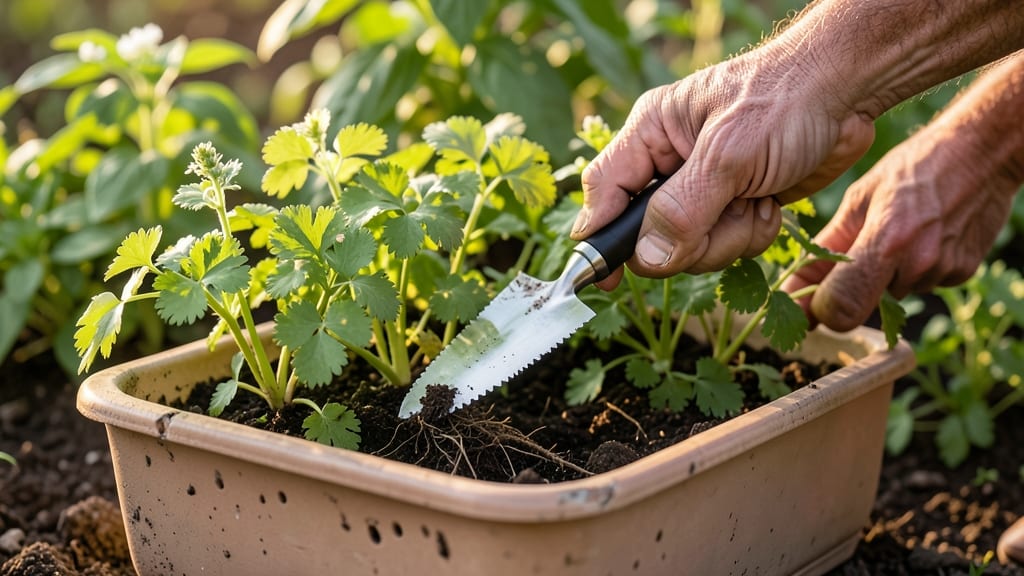
Struggling with cilantro that bolts too quickly or struggles in containers? Root pruning is your secret weapon to keep plants thriving longer—even in less-than-ideal conditions. This simple technique encourages deeper, stronger roots that access nutrients more efficiently.
Using a small hand trowel, gently dig around the outer roots (about 2-3 inches deep) once your cilantro reaches 6-8 inches tall. Trim any circling roots and loosen the soil around them to promote outward growth. Repeat every 4-6 weeks for container-grown cilantro or when you notice stunted growth. This method works wonders for poor soil or compacted containers where roots can’t expand naturally.
Urban gardeners and small-space growers will love this hack—it’s like giving your cilantro a root makeover for better resilience. 💪
Morning Harvest for Peak Freshness
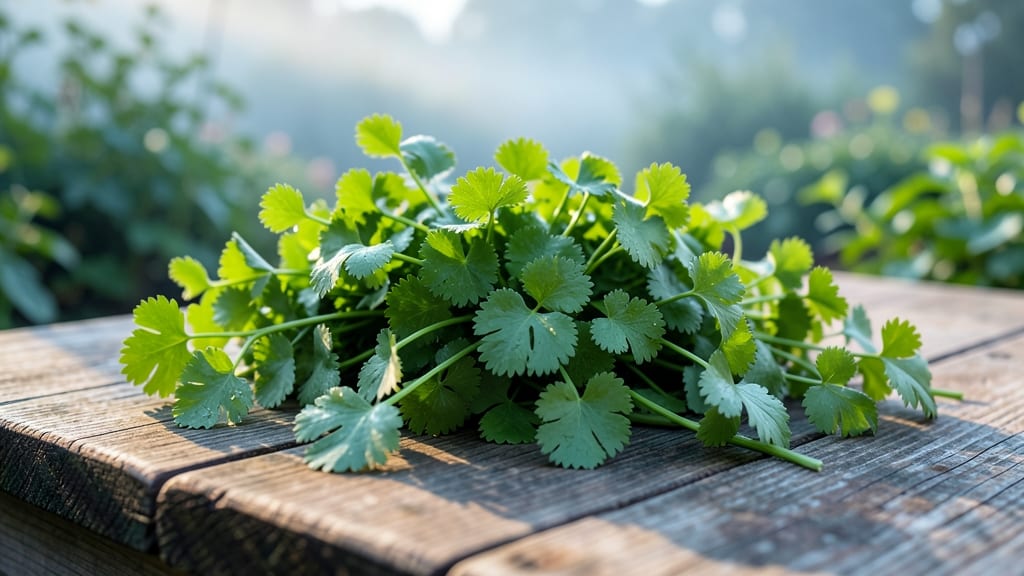
If you’ve ever tasted cilantro that’s lost its crispness or vibrant flavor, the solution lies in timing. Harvesting in the cool morning hours—right after dew has dried but before the sun intensifies—locks in moisture and preserves that restaurant-quality freshness chefs demand.
Start harvesting within 2-3 hours of sunrise when temperatures are mild and leaves are hydrated. Use clean, sharp scissors to snip stems just above a leaf node, avoiding the woody base. This method keeps leaves crisp and tender, ideal for garnishes or dishes where texture matters. For chefs or home gardeners who need the freshest cilantro, this simple habit makes all the difference.
This technique is especially valuable for those who grow cilantro in hot climates or urban settings where heat stress can dull flavor. A morning harvest ensures your cilantro stays vibrant and full of life. 💚
Flower Stem Removal to Prevent Bolting
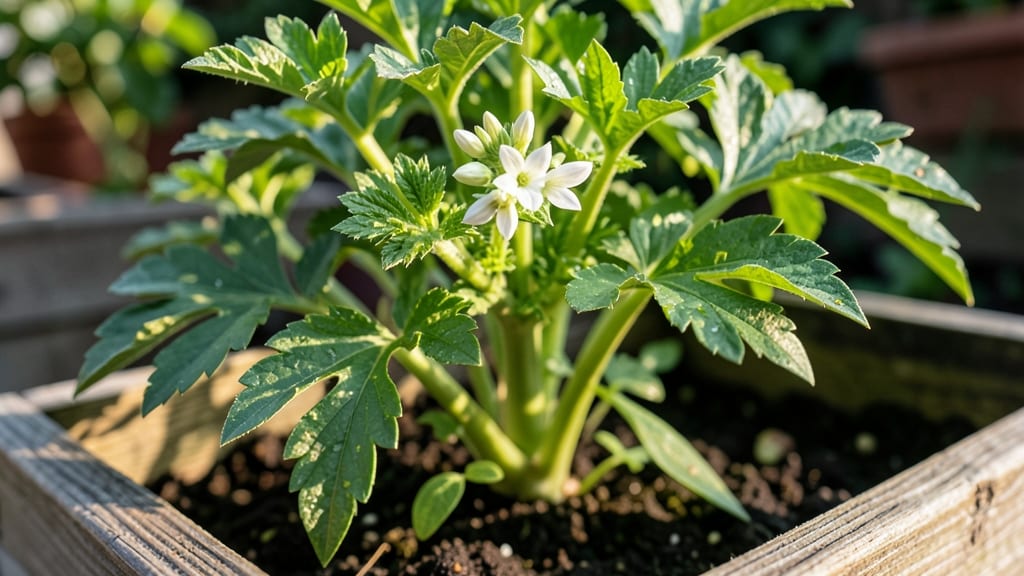
When your cilantro starts sending up flower stems, it’s not just a sign of maturity—it’s a race against time. Those white buds signal the plant is redirecting energy away from leaves, meaning bitter-tasting foliage and a shorter harvest window. The key? Snip those stems immediately to keep your plant focused on leaf production.
Use clean scissors or pruners to cut the flower stems at their base, right where they emerge from the main stem. This simple act forces the plant to channel its energy back into growing more leaves, not seeds. For hot summer gardens, check your plants weekly—bolting happens fast when temperatures climb. Even a single flower stem left unchecked can reduce your harvest by 30% within days.
This technique works wonders for gardeners in Zone 8 and above or anyone growing cilantro in containers where heat builds up quickly. With consistent stem removal, you’ll enjoy fresh, flavorful leaves for weeks longer than if you let the plant bolt naturally. 🌱
Shade Cloth Protection for Extended Harvests
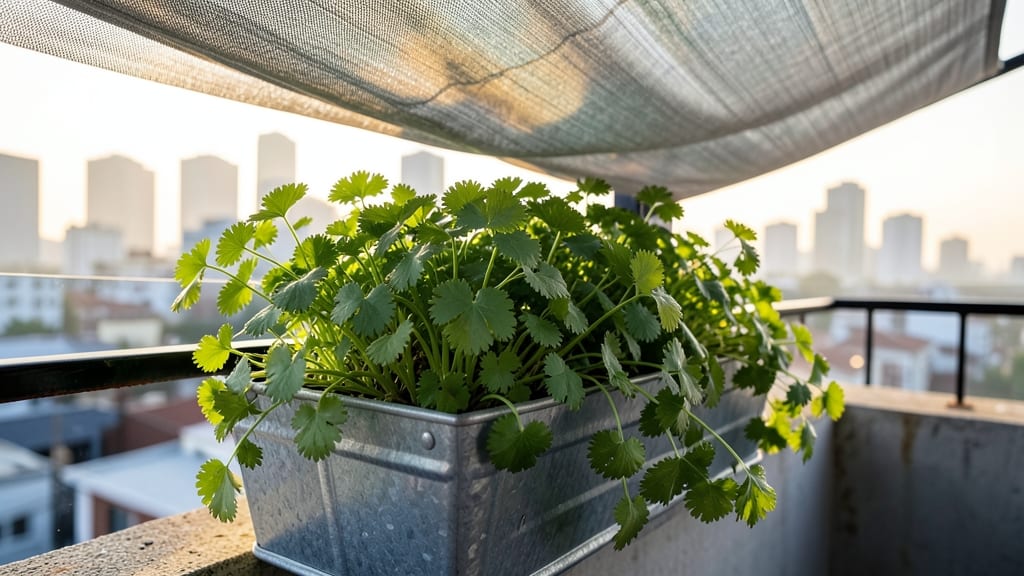
If your cilantro bolts too quickly in high-heat zones or urban balconies, a 30% shade cloth is your secret weapon. This lightweight fabric filters just enough sunlight to slow bolting while keeping plants productive—ideal for small spaces where shade isn’t an option.
Install the cloth during peak sun hours (10 AM–4 PM) and remove it in cooler weather. The dappled light reduces stress on plants, extending leaf production by 2–4 weeks compared to unprotected cilantro. For urban gardeners, this means more harvests in less space without sacrificing flavor.
This low-cost solution works for containers, raised beds, or in-ground plots, making it perfect for beginners or anyone fighting heat-related bolting. 💚
Freezing Harvested Cilantro for Year-Round Use
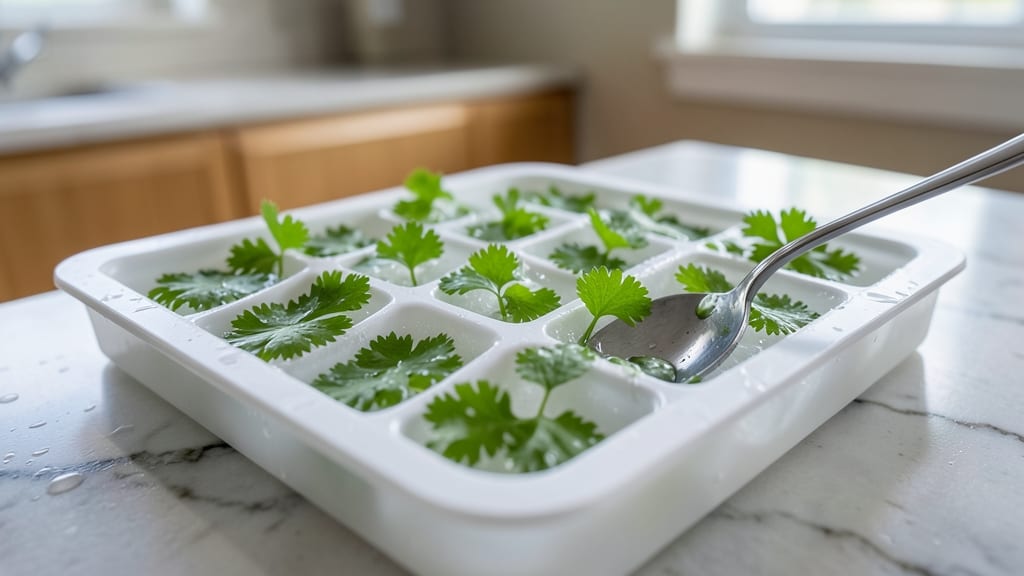
When your cilantro plants finally bolt or you've harvested more than you can use fresh, freezing the leaves in ice cube trays is a game-changer for preserving that bright, fresh flavor. This method keeps the leaves vibrant and ready to use straight from the freezer—no thawing required for most recipes.
Start by washing and thoroughly drying the cilantro leaves, then chop them finely. Fill ice cube trays halfway with water, add the chopped cilantro, and top with more water. Freeze completely before transferring the cubes to a sealed bag. Each cube contains roughly one tablespoon of cilantro, perfect for adding to soups, dressings, or sauces without the hassle of measuring.
This technique is ideal for urban gardeners or anyone who grows cilantro in small batches. It eliminates waste and ensures you always have fresh-tasting cilantro on hand, even when your garden is dormant. 🌱
Succession Planting for Nonstop Supply
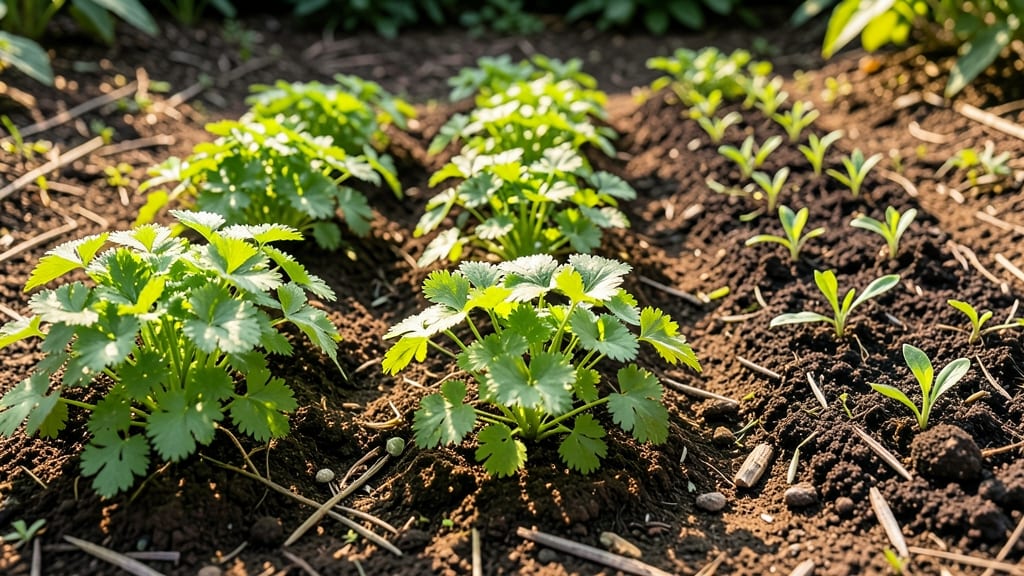
Tired of cilantro shortages when you need it most? Succession planting ensures you always have fresh leaves on hand by staggering your sowing schedule. Instead of planting once and hoping for the best, treat cilantro like a garden staple by planting new seeds every 2-3 weeks during its growing season.
This method works especially well for home cooks who use cilantro in weekly meals. Start your first batch when temperatures are cool (spring or fall), then follow up with new seeds before the previous batch bolts. Partial shade and consistent moisture will keep your plants thriving, while the staggered harvests prevent gaps in your supply.
Urban gardeners with limited space will love this approach—just use small containers or a dedicated bed section. Soon, you'll have a year-round supply of fresh cilantro without the frustration of sudden shortages. 🌱
Drying Cilantro for Long-Term Storage

If you’ve ever harvested a massive cilantro crop and wondered how to preserve it beyond the fridge, drying is your answer. This simple method transforms your fresh harvest into a long-term flavor powerhouse—perfect for bulk gardeners or those who love homegrown herbs year-round.
Bundle 10-15 stems together, securing the tops with a rubber band or twine. Hang them upside down in a dark, dry, well-ventilated space (like a pantry or closet) for 1-2 weeks. Once fully dried and crisp, strip the leaves off the stems and store them in airtight containers—they’ll keep their flavor for up to 6 months.
This technique is a game-changer for gardeners who grow cilantro in large batches or want to avoid waste. No special equipment needed—just patience and a little space! 🌿