
How To
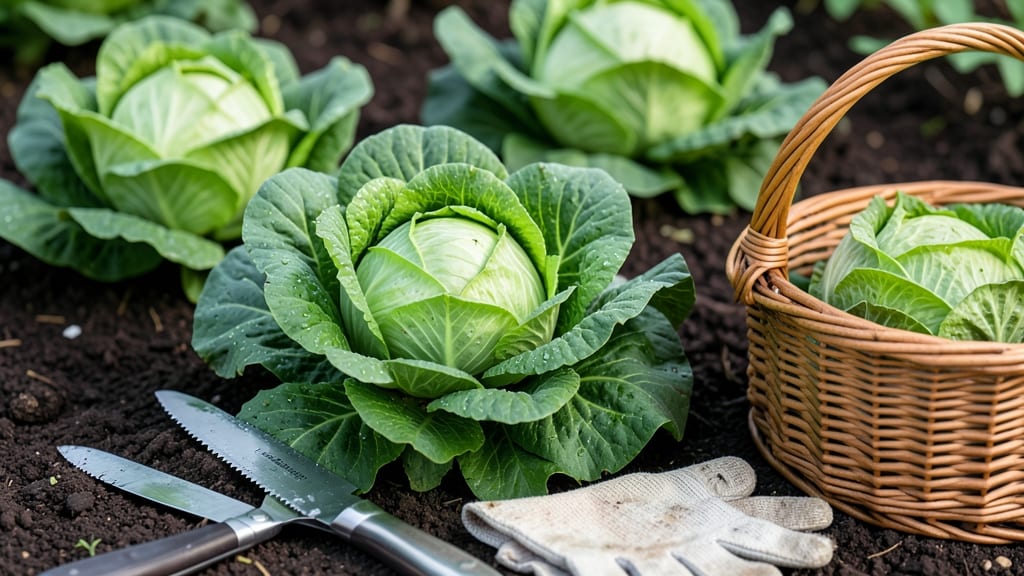
Step-by-step guide to harvesting iceberg lettuce using the cut-and-come-again method
The cut-and-come-again method is your secret weapon for extended iceberg lettuce harvests. Instead of pulling the whole head, you strategically cut outer leaves to encourage the plant to regrow.
This technique works best when your lettuce has reached 4-6 inches in height and the outer leaves are crisp and fully developed.
Timing is everything—harvest when the outer leaves reach 4-6 inches but before the inner core tightens completely. This balance ensures the plant has enough energy to regrow while still delivering fresh, crisp lettuce.
I’ve found that morning harvests work best because the leaves are firm and hydrated, making them easier to cut cleanly.
Gather your tools: a sharp pair of garden shears or a clean chef’s knife. Dull tools crush the leaves, causing bitterness and stress to the plant. Sterilize your tools with a 10% bleach solution or rubbing alcohol to prevent disease spread between cuts.
Here’s how to do it right: Locate the outer leaves that are fully grown. Using your shears, cut just above the base of the plant, leaving about 1-2 inches of stem.
Avoid cutting into the inner core—this is the growth engine for regrowth. The goal is to remove 1/3 of the plant’s foliage per harvest.
Step-by-Step Harvesting Process
- Step 1: Wait until outer leaves reach 4-6 inches in length.
- Step 2: Use sharp shears to cut leaves at a 45-degree angle above the base.
- Step 3: Remove 1/3 of the foliage per harvest to avoid over-stressing the plant.
- Step 4: Leave 1-2 inches of stem attached to encourage regrowth.
- Step 5: Harvest every 2-3 weeks during the growing season.
- Step 6: Store harvested leaves in the fridge for up to 7 days in a sealed container.
🥬 Ready for regrowth in 3-4 weeks!
After harvesting, give your iceberg lettuce some immediate post-harvest care. Water the plant deeply at the base to replenish moisture lost during cutting. Avoid wetting the leaves to prevent disease risk.
I’ve noticed that plants recover faster when watered in the early morning, giving them time to dry before evening.
Fertilize lightly with a balanced fertilizer (5-10-10) to support regrowth. Focus on the root zone rather than the foliage. Over-fertilizing can cause bitterness or bolting, so stick to a light application every 4-6 weeks during the growing season.
In my garden, this step makes a noticeable difference in the speed of regrowth.
Monitor your lettuce closely after harvesting. Look for signs of new growth within 3-4 weeks. If the plant bolts (sends up a tall flower stalk), it’s a sign of stress or heat exposure.
To prevent bolting, provide afternoon shade during hot summer months and keep the soil consistently moist but not soggy.
One common question I hear is, “How many harvests can I get from one plant?” With proper care, you can expect 3-5 harvests per season using the cut-and-come-again method. The key is consistency—don’t over-harvest, and always leave enough foliage for the plant to recover.
For container gardeners, this method works just as well. Just ensure your pot is at least 12 inches deep to accommodate the root system. Iceberg lettuce in containers may regrow slightly slower, but with diligent care, you’ll still enjoy multiple harvests.
Pro tip: Keep a harvest journal to track when you cut your lettuce and how quickly it regrows. This helps you fine-tune your approach for maximum yield. Over time, you’ll learn the perfect balance for your specific growing conditions.
Key factors that ensure iceberg lettuce regrows after harvesting
After harvesting your iceberg lettuce using the cut-and-come-again method, the real challenge is ensuring the plant regrows successfully. The difference between a second harvest and a failed attempt often comes down to three critical factors: soil moisture, sunlight exposure, and proper post-harvest care.
Let’s break down what your lettuce needs to bounce back strong.
First, consistent soil moisture is non-negotiable. Iceberg lettuce thrives in moist but well-draining soil. After harvesting, water deeply to replenish moisture levels, then maintain a schedule of watering every 2-3 days during warm weather.
Avoid letting the soil dry out completely, as this can stress the plant and trigger bolting (premature flowering).
Next, pay close attention to sunlight exposure. While iceberg lettuce prefers partial shade (4-6 hours of sun daily), it needs enough light to regrow properly. If your garden gets intense afternoon sun, consider providing light shade cloth to prevent the leaves from turning bitter or bolting.
In cooler climates, full morning sun is ideal for regrowth.
Finally, post-harvest fertilization can make or break your second harvest. After cutting, apply a light dose of high-nitrogen fertilizer (like a 5-10-10 blend) to encourage leafy regrowth. Timing matters here—wait 3-5 days after harvesting before fertilizing to let the plant recover.
Over-fertilizing can burn the roots or lead to excessive leaf growth at the expense of quality.
🌱 Key Conditions for Iceberg Lettuce Regrowth
| Factor | Specification | Why It Matters |
|---|---|---|
| Soil Moisture | Consistently moist (not soggy) | Prevents stress and bolting |
| Sunlight | 4-6 hours daily (partial shade) | Balances growth and crispness |
| Temperature | 50-75°F (10-24°C) | Extreme heat/cold triggers bolting |
| Fertilization | High-nitrogen, light dose | Encourages leafy regrowth |
Another often-overlooked factor is temperature control. Iceberg lettuce struggles in hotter-than-75°F (24°C) or colder-than-50°F (10°C) conditions. If your growing season includes heatwaves, use shade cloth or mulch to keep roots cool. In cooler climates, consider extending the season with row covers to protect young regrowth from frost.
Lastly, pruning and maintenance play a subtle but vital role. After harvesting, trim any damaged or yellowing leaves to redirect the plant’s energy toward new growth. Avoid over-pruning, as this can weaken the plant. Instead, focus on selective trimming to maintain a healthy balance.
By mastering these four key factors—moisture, sunlight, temperature, and care—you’ll give your iceberg lettuce the best chance to regrow successfully. With patience and attention to detail, you can enjoy multiple harvests from a single planting, maximizing your garden’s productivity all season long. 🌿