
How To
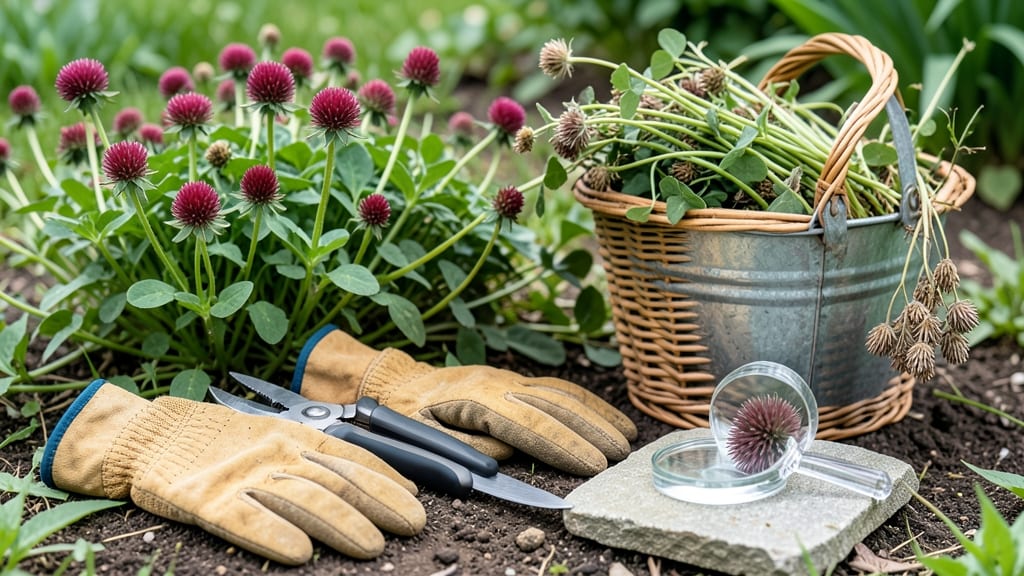
If you’ve ever wondered how to harvest red clover 🌸 without sacrificing its soil-enhancing superpowers, you’re in the right place. This hardy perennial isn’t just pretty—it’s a powerhouse for pollinators, livestock forage, and even medicinal uses when harvested at the perfect time.
Timing is everything with red clover, and getting it wrong can mean lost yields or stressed plants. Whether you’re after fresh blooms for pollinators, seed for wildlife, or forage for livestock, knowing the best window makes all the difference.
Let’s break down the optimal harvest times and hands-off techniques that keep your clover thriving year after year.
The key to a successful harvest lies in understanding your clover’s growth stages—from early flowering to seed production—and how each phase impacts its value.
I’ll walk you through the easiest methods to collect what you need while preserving the plant’s ability to regrow, so you can enjoy its benefits for seasons to come.
From scything to selective cutting, we’ll cover the tools, tricks, and common mistakes that can turn a good harvest into a great one. Ready to turn your red clover patch into a productivity hub? Let’s get started.


Best time to harvest red clover for maximum yield & soil benefits
Harvesting red clover at the right stage ensures you maximize its benefits—whether you're after nutrient-rich biomass, seed production, or pollinator support. Timing directly impacts the plant’s ability to regrow and its value to your garden ecosystem.
Let’s break down the best windows and what to look for in each stage.
For green manure or livestock forage, aim to harvest when plants are in early flowering (late spring). This stage provides the most nitrogen-fixing benefits while still allowing the plant to recover.
If your goal is seed collection or wildlife support, wait until full bloom or seed pod formation in late summer.
Climate plays a role too. In warmer zones (USDA 8+), red clover may bloom earlier, while cooler regions might see a delayed harvest. Always check for healthy green growth—wilting or yellowing leaves signal stress, and harvesting then can harm your plants.
Here’s a quick guide to help you decide when to harvest based on your goals:
| Harvest Stage | Optimal Time | Key Features | Best For | Avoid If... |
|---|---|---|---|---|
| Early Flowering | Late spring (May-June) | Light pink buds, 6-12" tall | Green manure, pollinators | Plants are stressed or drought-stressed |
| Full Bloom | Early summer (June-July) | White/purple flowers, 12-24" tall | Seed collection, livestock forage | Plants are bolting or overripe |
| Seed Pods | Late summer (August-September) | Brown seed heads, mature pods | Wildlife seed source, mulch | Seeds have scattered prematurely |
If you’re harvesting for pollinators, avoid cutting during peak bloom (June-July). Instead, leave some flowers to support bees and butterflies while harvesting only 30% of the patch. This balance ensures your garden stays vibrant and productive for both you and local wildlife.
For seed collection, wait until the seed pods turn brown but haven’t yet released seeds. Shake the pods over a paper bag or tray to collect seeds for future planting or wildlife feeding. Store seeds in a cool, dry place to maintain viability.
In drought-prone areas, harvest earlier in the season to avoid stressing the plants. Red clover is drought-tolerant once established, but harvesting during dry spells can weaken regrowth. Always prioritize soil moisture and plant health over aggressive harvesting.
Finally, if you’re using red clover as a cover crop, consider a two-cut harvest strategy: first cut in early summer for biomass, then again in late summer for seeds. This dual approach maximizes both soil benefits and seed production.
Hands-off harvesting techniques to preserve red clover’s regrowth
Harvesting red clover the right way ensures your plants bounce back stronger for future yields. The key is using gentle, low-disturbance methods that protect the roots and encourage regrowth. Unlike aggressive cutting, these techniques let your clover thrive while you collect what you need for forage, pollinators, or seed saving.
I’ve found that minimal-interference harvesting—like scything or mowing—preserves the plant’s ability to recover. This is especially important if you’re using red clover as a living mulch or green manure, where root health matters most.
The goal? Leave enough foliage to keep the plant photosynthesizing while removing only what you need.
🌿 Hands-Off Harvesting Methods
✂️ Scything
Best for large patches. Uses a long blade to cut cleanly at the base.
🪓 Mowing
Ideal for dense areas. Adjust height to leave 4+ inches of stubble.
👨🌾 Hand-Shearing
Perfect for small gardens. Use sharp pruners for precise cuts.
For scything, I recommend a lightweight, carbon steel blade—it glides through red clover with minimal resistance. Start at the outer edges of your patch and work inward to avoid trampling the center.
Always cut in one direction to prevent tearing the stems. If you’re new to scything, practice on a small section first to get a feel for the rhythm.
When mowing, set your lawnmower to its highest setting (at least 4 inches) to leave enough foliage for regrowth. A reel mower is even better—it cuts cleaner than a rotary blade and won’t shred the clover.
Just be sure to mow when the plants are dry to avoid clumping. I’ve seen red clover regrow within 2-3 weeks when harvested this way!
If you’re working in a small garden or container, hand-shearing with sharp pruners is my go-to method. Snip the stems just above a leaf node (where leaves meet the stem) to encourage bushier regrowth.
This also lets you selectively harvest—grab only the flowers or seed heads you need while leaving the rest to support pollinators.
Pro tip: Harvest in the morning when the dew is still on the plants. This reduces stress on the clover and makes cutting easier. After harvesting, water deeply to help the plants recover faster.
Avoid harvesting if your clover is wilting or yellowing—this is a sign of stress, and cutting it will only weaken the plant further.
By using these hands-off techniques, you’ll keep your red clover healthy, productive, and ready for multiple harvests per season. Plus, your pollinators will thank you for leaving some flowers behind! 🐝