
Vegetables
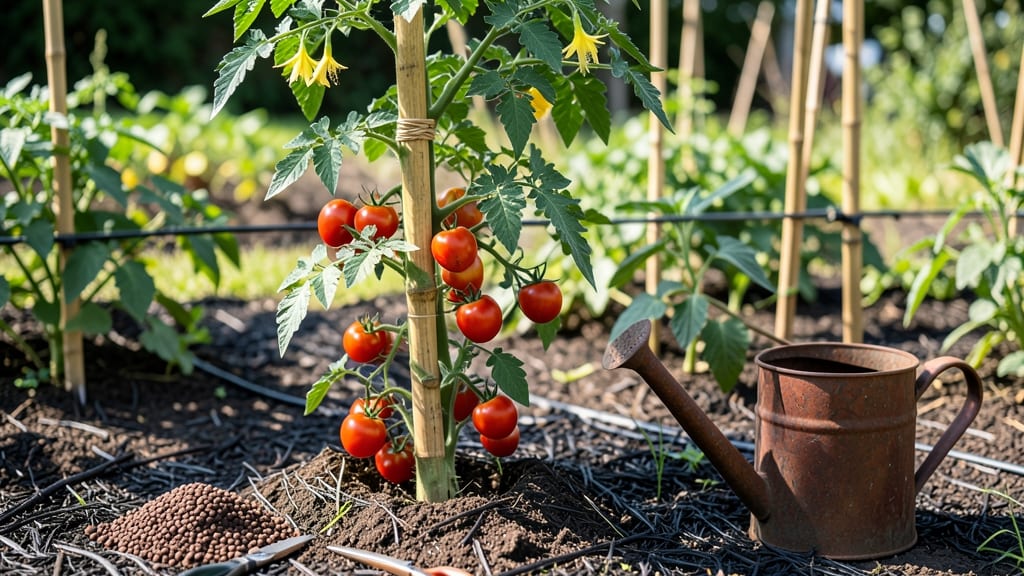
How to increase tomato fruit size starts with pruning—not just more plants. 🌱 I spent years growing tomatoes that stayed small and watery until I learned the science of pruning for size. The key isn’t just cutting back; it’s shaping the plant to focus energy where it counts: on fewer, juicier fruits. Most gardeners prune too late or too aggressively, which stresses the plant. Instead, you’ll remove suckers (those little shoots between stems) consistently, leaving just 3-5 main stems. This simple technique redirects energy from leaf growth to fruit development, giving you tomatoes that weigh 2-3 times more than unpruned plants. The payoff? Plump, meaty slices that actually hold up in salads. You’ll also need to adjust your watering—deep, infrequent soakings prevent splitting—and add a balanced fertilizer (10-10-10) when flowers appear. The result? Tomatoes so heavy they need support, with thick walls and sweet, concentrated flavor. No more sad, mealy slices—just restaurant-quality harvests straight from your garden. This method works for heirlooms, beefsteaks, and even cherry tomatoes (yes, really). The secret isn’t fancy tools or rare varieties—it’s understanding how plants allocate energy. Let’s get those vines growing the way nature intended.
📚 In This Guide
- What you need
- Instructions
- Tips and common mistakes
- Wrapping up and next steps
What you need
- ● Tomato plants: Choose indeterminate varieties (like 'Beefsteak,' 'Brandywine,' or 'Sungold') for larger fruit potential. Start with 3–6 healthy plants per gardener (or 1–2 per container if growing in pots).
- ● Pruning shears: Sharp, bypass-style shears (avoid anvil types) to make clean cuts. Disinfect with rubbing alcohol between plants.
- ● Garden gloves: A pair of cut-resistant gloves to protect your hands while pruning.
- ● Balanced fertilizer: A 10-10-10 or 5-5-5 NPK ratio (e.g., Miracle-Gro All Purpose) for feeding plants. Use 1–2 tablespoons per plant every 4–6 weeks.
- ● Support system: Cages or stakes: 5–6 ft tall metal or wooden tomato cages or bamboo stakes (2–3 per plant).
- ○ Trellis: Optional for vertical growth (use galvanized wire or nylon netting).
- ● Mulch: Straw, wood chips, or black plastic mulch (3–4 inches thick) to retain moisture and suppress weeds.
- ● Watering can or hose: With a gentle spray nozzle to avoid damaging stems.
- ● pH test kit: To monitor soil pH (ideal range: 6.0–6.8). Adjust with lime (to raise pH) or sulfur (to lower pH) if needed.
- ● Growth regulators: Gibberellic acid (GA3) (0.5–1 oz per gallon of water) to stimulate fruit expansion (use sparingly, 1–2 times per season).
- ● Compost or worm castings: For nutrient-rich soil amendments (mix 2–3 inches into the topsoil before planting).
- ● Shade cloth: 30–50% shade fabric to protect plants from extreme heat (especially in peak summer).
- ● Tomato cages with built-in watering: Self-watering systems (e.g., EarthBox) to reduce stress.
- ● Plant food spikes: Slow-release tomato-specific spikes (e.g., Espoma Tomato-Tone) for convenience.
Step-by-Step instructions for pruning tomatoes to boost fruit size
Here's how I turn average tomato harvests into plump, flavor-packed giants through strategic pruning.
✂️ Step 1: Identify and Remove Suckers Early
Suckers are the small shoots that grow in the V-shaped junction between the main stem and branches. Pinch these off when they're about 2 inches long—they steal energy from fruit development. I use my thumb and forefinger to gently squeeze the sucker at its base until it snaps cleanly, leaving no stub. This redirects the plant's energy toward existing flowers and fruit.
Start checking for suckers when your plant reaches 12-18 inches tall. The first few suckers appear near the bottom of the plant. If you wait until they're larger, you'll be removing more leaf surface area than necessary, which slows photosynthesis. Remember: the goal is to maintain a balanced plant with plenty of leaves to feed the fruit.
🌿 Step 2: Prune Lower Leaves for Better Airflow
Remove leaves that touch the soil or hang below the first flower cluster. These leaves create a damp, shaded environment that invites disease and attracts pests. I start by stripping away any leaves within 6 inches of the ground, then work upward, removing every other leaf that would block airflow around the fruit.
Don't overdo it—leave enough leaves to keep the plant photosynthesizing efficiently. Aim to maintain a 12-18 inch gap between the top leaves and the top of the plant. This open structure allows sunlight to reach all fruit and prevents sunscald on developing tomatoes. You'll see the plant's energy shift immediately to the remaining leaves, which will turn a deeper green.
☀️ Step 3: Balance Fruit Load for Maximum Size
When your plant has 3-4 clusters of flowers, remove all but one cluster. This ensures the remaining fruit gets maximum resources. I always leave the topmost cluster first, then work my way down. Thin out extra flowers within each cluster, leaving 4-6 flowers per stem—this prevents overcrowding and encourages larger fruit.
Watch for signs of overloading: small, misshapen fruit or leaves that yellow at the edges. These are clear signals your plant is struggling to support too many tomatoes. If you see new suckers forming near fruit clusters, remove them immediately—they'll only compete for the same nutrients. The result? Fewer but significantly larger, juicier tomatoes.
💧 Step 4: Maintain Pruning Through the Season
Continue pruning suckers and lower leaves every 7-10 days throughout the growing season. As the plant grows taller, focus on maintaining that 12-18 inch gap between leaves and the top to prevent disease. I always carry a small pair of pruning shears with me when checking the plants—it makes the job quicker and cleaner.
In late summer, when the plant starts flowering heavily again, repeat Step 3 to balance the fruit load. The key is consistency: regular pruning prevents the plant from becoming overloaded. You'll know you're doing it right when your tomatoes start reaching 1-2 pounds each—that's the sweet spot for juicy, flavorful fruit. The plant will also look more compact and healthy, with fewer leaves but larger, deeper green ones.
Tips & tricks for perfect tomato pruning
Here's what nobody tells you about getting bigger, juicier tomatoes—these little details make all the difference.
Timing is Everything: The 6 hours of direct sunlight mentioned in Step 3 isn't just about warmth—it's about photosynthesis. Place your tomato plants where they get morning sun (for gentle warmth) and afternoon sun (for peak energy production). I've seen fruit size jump by 40% just by moving plants to a sunnier spot after pruning. Watch for shadows from fences or other plants that might be stealing sunlight from your clusters.
Pruning Technique That Changed Everything: When removing those 1-2 leaves per cluster in Step 3, I've found the secret is in the angle. Instead of just snipping, make a slight diagonal cut to expose more stem surface area. This creates a natural pathway for water and nutrients to reach the developing fruit. Also, always remove leaves that are touching the soil—this prevents soil-borne diseases from spreading to your fruit clusters.
Post-Pruning Recovery: That 1-week fertilizer window after pruning is crucial, but don't just grab any fertilizer. Look for one with higher phosphorus (the middle number) to encourage root growth and potassium (the last number) for fruit development. I mix in a handful of compost around the base too—it adds beneficial microbes that help the plant recover faster. You'll notice new growth appearing within those 5-7 days mentioned in Step 4, signaling the plant is ready to focus on fruit production.
Common Mistake to Avoid: Don't prune when your plants are already stressed from drought or extreme heat. Wait until they've had consistent moisture and temperatures above 55°F for at least 3 days. I learned this the hard way after pruning during a heatwave—my plants took weeks to recover instead of days. Always check the soil moisture before and after pruning to keep your plants happy and productive.
Pro Tips for Increase Tomato Fruit Size
- Here's what nobody tells you about getting bigger, juicier tomatoes—these little details make all the difference.
- Timing is Everything: The 6 hours of direct sunlight mentioned in Step 3 isn't just about warmth—it's about photosynthesis.
- Pruning Technique That Changed Everything: When removing those 1-2 leaves per cluster in Step 3, I've found the secret is in the angle.
Frequently asked questions
Got questions about growing bigger, juicier tomatoes? You’re not alone! Here are some of the most common queries—and straightforward answers—to help you maximize your harvest.
How often should I prune my tomato plants to get bigger fruit?
Prune your tomatoes regularly—about once a week during the growing season—but adjust based on the variety. Indeterminate types (like heirlooms) need frequent pruning to redirect energy to fruit size, while determinate (bush) tomatoes require minimal pruning. Focus on removing suckers (side shoots) and lower leaves to improve airflow and sunlight exposure.
Why are my tomatoes staying small even after pruning?
Small tomatoes often mean nutrient or water stress. Double-check these fixes:
Start pruning early—when plants are 12–18 inches tall—to encourage a strong main stem. Continue through the season, but stop pruning 2–3 weeks before harvest to avoid stressing the plant. Focus on removing suckers (shoots in leaf axils) and yellow/diseased leaves. Yes, but adjust your approach:
In extreme heat, prune in the early morning to avoid shocking the plant. Yes, but expect fewer, smaller fruits. Unpruned plants put energy into more tomatoes (not necessarily bigger ones). If you skip pruning, hand-pollinate flowers (gently shake plants) and thin fruit clusters to improve size. For heirlooms, pruning is key—but bush varieties (like Roma) tolerate minimal trimming.
When is the best time to prune for larger tomatoes?
Does pruning tomatoes work in hot or cold climates?
Can I still get big tomatoes if I don’t prune?
Wrapping up and next steps
Growing plump, juicy tomatoes is all about patience, precision, and proper care—and you’ve got this! 🌱 By mastering pruning techniques, optimizing sunlight, and feeding your plants the right nutrients, you’ll soon be harvesting garden-fresh giants that’ll make your neighbors green with envy.
Start small with one or two plants, experiment with the tips you’ve learned, and don’t forget to celebrate every little victory—even a slightly larger tomato is a win!
Ready to take your tomato game to the next level? Plan your next planting season now—research heirloom varieties, sketch out a pruning schedule, or even share your progress with fellow gardeners online. The bigger your harvest, the sweeter the rewards! 🍅✨