
Pests
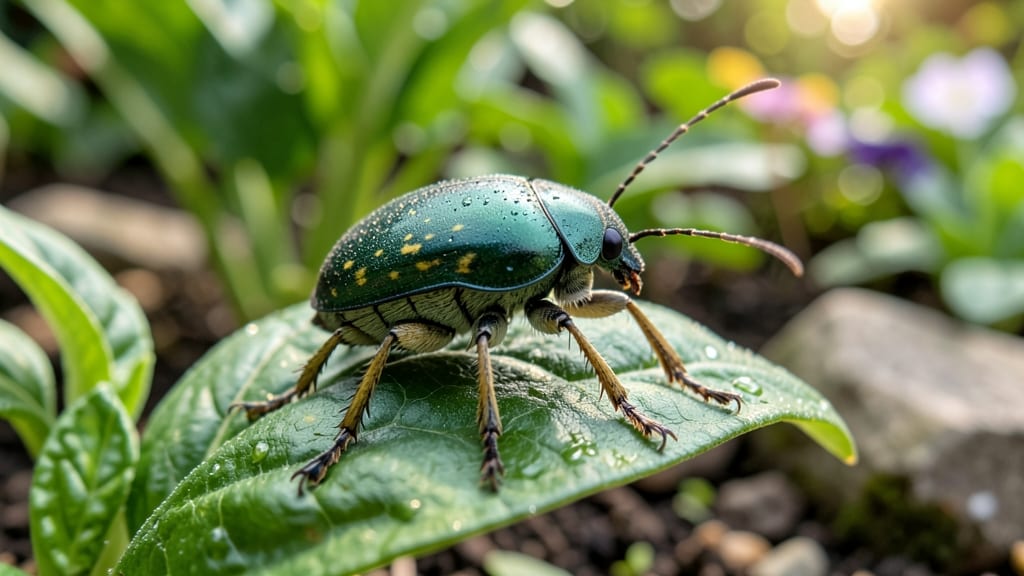
How to keep bugs out of your garden naturally—without chemicals, without fuss. 🌱 I’ve spent three summers watching aphids turn my zucchini into lace, and I finally cracked the code: a plant-powered barrier that works without chemicals. The secret? Smart layering—companion plants that repel pests, physical shields that block them, and a few sneaky tricks that make your garden less appealing than the neighbor’s. The best part? You don’t need fancy tools—just a few simple supplies like row covers, garlic-spray bottles, and the right plant pairings. My go-to setup includes marigolds (naturally toxic to pests), basil (aphids hate it), and straw mulch (confuses beetles). Even my black-thumb tomato plants survived last season with this method. By summer’s end, you’ll harvest clean, thriving plants without spraying. The key is consistency—check your defenses weekly, and pests won’t stand a chance. This isn’t just prevention; it’s a full garden makeover that keeps bugs out while boosting growth. Works for veggies, flowers, and even herbs—no matter your yard size. Let’s build that nature-backed shield step by step.
📚 In This Guide
- What you need
- Instructions
- Tips and common mistakes
- Wrapping up and next steps
What you need
- ● Diatomaceous earth (food-grade): 1–2 lbs (powder form). Non-toxic but lethal to bugs—just sprinkle it!
- ● Neem oil: 16 oz bottle (organic, cold-pressed). Dilute with water (1 tbsp per quart) for sprays.
- ● Essential oils: Peppermint, lavender, or citrus (5–10 drops per spray bottle). Bugs hate these scents!
- ● Crushed red pepper flakes or cayenne: ½ cup. Spicy repellent for soft-bodied pests.
- ● Copper tape or wire: 25–50 ft roll (for slug/snail barriers). Gives a mild electric shock to deter crawlers.
- ● Beer or yeast: 1–2 cups (for slug traps). They’ll drown in it faster than you can say “garden party.”
- ● Chicken wire or hardware cloth: 10–20 ft (for physical barriers). Use for burrowing pests like gophers.
- ● Spray bottles: 2–4 (8–16 oz). For DIY repellent mixes.
- ○ Gloves & mask: 1 pair each. Optional but wise for handling diatomaceous earth or spicy mixes.
- ● Companion plants: Marigolds, basil, or garlic bulbs. Plant near vulnerable crops for natural pest control.
- ● Ladybugs or nematodes: 1,000–5,000 (live beneficial insects). Order online for aphid/mite control.
- ● Row covers: 4x10 ft (lightweight fabric). Protect young plants from flying pests.
- ● Wood ash: 1–2 gallons. Sprinkle around plants to deter ants and slugs.
Step-by-Step instructions for natural garden pest defense
Here's my battle-tested approach to creating a plant-powered barrier that keeps pests at bay without chemicals.
🌿 Step 1: Select Your Perimeter Plants Strategically
Choose plants known for their pest-repelling properties and arrange them in a 1-2 foot wide band around your garden's edge. Marigolds, with their strong scent, deter aphids and nematodes, while basil repels flies and mosquitoes. I like to plant lavender at the corners—its fragrance confuses butterflies and deters beetles. These plants should be spaced 12-18 inches apart to create an unbroken barrier.
For vegetable gardens, interplant garlic and onions among your crops—their sulfur compounds act as natural insecticides. If you're dealing with deer or rabbits, include rosemary and thyme in your mix; their strong aromas deter larger pests. The key is diversity: no single plant can handle all invaders, so rotate types every 2-3 feet for maximum coverage.
🌱 Step 2: Create Companion Planting Zones
Beyond the perimeter, integrate pest-repelling plants directly into your garden layout. Nasturtiums planted near tomatoes deter aphids and whiteflies, while borage near strawberries deters cabbage worms. I always include dill and fennel near my cabbage family—these attract beneficial wasps that prey on cabbage moths. The goal is to create a 360-degree defense system where pests encounter repellents at every turn.
For flowering plants, include alyssum and sweet alyssum—their tiny blooms attract hoverflies, which devour aphids. If you're growing roses, plant chives nearby; their scent deters Japanese beetles. This isn't just about repelling pests—it's about creating an ecosystem where beneficial insects outnumber the harmful ones. You'll notice fewer pests within 2-3 weeks of establishing these relationships.
💧 Step 3: Maintain Plant Health and Vigilance
Healthy plants are naturally more resistant to pests. Water your perimeter plants deeply once weekly—this encourages strong root systems that can better withstand insect attacks. I always check for yellowing leaves or wilting as early signs of stress; these make plants more vulnerable. Use mulch (like straw or wood chips) to retain moisture and suppress weeds that might harbor pests.
Regularly inspect your perimeter plants for signs of pest damage—chewed leaves, holes, or sticky residue (aphid honeydew). If you spot early infestations, prune affected leaves immediately and compost them away from the garden. For severe cases, I make a neem oil spray (1 tbsp neem oil + 1 tsp mild soap per quart of water) to apply as a last resort. The goal is to keep your perimeter plants thriving so they can do their job effectively.
☀️ Step 4: Enhance with Natural Repellents
Complement your plant barrier with physical repellents. Crushed red pepper flakes sprinkled around the garden edge deter ants and other crawling insects. I also plant mint in containers along pathways—its strong scent keeps mosquitoes away while adding a culinary bonus. For slugs and snails, create beer traps (bury a shallow dish filled with beer near affected plants); they're drawn in but can't escape.
Another trick I use is diatomaceous earth—sprinkle a thin layer around plants (but not on leaves) to deter soft-bodied insects like slugs and aphids. Reapply after rain, as it loses effectiveness when wet. For above-ground pests, hanging reflective tape or old CDs from garden stakes can deter flying insects by confusing their navigation. These methods work best when combined with your plant barrier for a multi-layered defense system.
⏰ Step 5: Monitor and Adjust Seasonally
Pest pressures change with seasons, so your defense strategy should too. In spring, focus on early bloomers like dandelions and clover—they attract beneficial insects that will populate your garden as the season progresses. By summer, add tansy and wormwood to repel squash bugs and cucumber beetles. In fall, plant garlic and shallots to overwinter and continue their pest-repelling properties into next year.
Keep a simple garden journal to track which pests appear when and which plants seem most effective. I note the first signs of pest activity each year and adjust my perimeter plants accordingly. For example, if aphids become a problem in June, I might add more garlic chives the following spring. This proactive approach ensures your natural defense system evolves with your garden's needs. Within one growing season, you'll see a noticeable reduction in pests—no chemicals required.
Tips & tricks for natural garden pest defense
A few strategic moves can transform your garden into a fortress against pests—without relying on harsh chemicals. Here's how to maximize your plant-powered defense system.
Plant Placement Precision: When creating that 1-2 foot perimeter band in Step 1, position your strongest repellent plants—like marigolds and lavender—at the garden's corners and entry points. These high-traffic areas need the most protection, and the concentrated scent creates a psychological barrier for pests. I've found that placing lavender near pathways also deters foot traffic from compacting soil, which makes plants more vulnerable to pests. The key is creating visual and olfactory "no-go zones" that pests instinctively avoid.
Seasonal Layering Strategy: In Step 5, where the instructions mention seasonal adjustments, consider implementing a "layered defense" approach. For example, in spring, plant fast-growing nasturtiums as a temporary barrier while your perennial herbs establish. By summer, these nasturtiums will have attracted enough beneficial insects to create a self-sustaining ecosystem. The 2-3 week window mentioned for seeing results assumes ideal conditions—if you're in a hotter climate, you might notice changes in just 10-14 days due to accelerated plant growth and insect activity.
Companion Planting Synergy: The instructions highlight specific companion pairings, but there's a science to maximizing these relationships. When planting dill and fennel near cabbages in Step 2, space them strategically—place fennel closer to the cabbage center where cabbage moths lay eggs, and dill at the perimeter where adult moths first land. This creates a "trap crop" effect that lures pests away from your main vegetables. The hoverflies attracted by alyssum will then have easy access to both nectar and aphid prey, making your defense system even more effective.
Maintenance Shortcuts: For Step 3's vigilance requirements, here's a practical tip: set up a "pest patrol" routine by pairing your weekly watering with a quick inspection. While watering deeply (as instructed), run your fingers along leaves to check for early signs of damage—this takes just 2-3 minutes per plant. I keep a small bucket nearby to collect damaged leaves for immediate composting away from the garden. This dual-purpose approach saves time while keeping your perimeter plants healthy and effective.
Pro Tips for Keep Bugs Out Of Garden Naturally
- A few strategic moves can transform your garden into a fortress against pests—without relying on harsh chemicals.
- Plant Placement Precision: When creating that 1-2 foot perimeter band in Step 1, position your strongest repellent plants—like marigolds and lavender—at the garden's corners and entry points.
- Seasonal Layering Strategy: In Step 5, where the instructions mention seasonal adjustments, consider implementing a "layered defense" approach.
Frequently asked questions
about keeping bugs out of your garden naturally—because even the greenest thumbs need a little extra help! Here are some common queries (and answers) to help you protect your plants without harsh chemicals.What’s the best natural bug repellent for my garden?
The best repellent depends on the pest! For general bugs, neem oil or garlic spray works wonders. For aphids, try soapy water or ladybugs. Diatomaceous earth is great for crawling pests like slugs and ants. Always test sprays on a small plant area first to avoid damage.
How often should I reapply natural repellents?
Most natural repellents (like neem oil or garlic spray) need reapplication every 1-2 weeks or after heavy rain. Diatomaceous earth lasts longer (up to a month) but loses effectiveness if wet. Companion planting (like marigolds or basil) offers long-term protection with minimal upkeep!
Can I use coffee grounds to keep bugs away? Used coffee grounds work for some pests, but they’re not a universal solution. They repel slugs, snails, and ants but may attract others (like fruit flies). Sprinkle them around plants sparingly—too much can alter soil pH. For best results, mix with eggshells or crushed citrus peels.
Why are bugs still getting in my garden after I tried natural methods?
If pests persist, check for hidden entry points (like cracks in pots or gaps in mulch). Some bugs (e.g., Japanese beetles) are highly resilient—try row covers or kaolin clay as a barrier. Also, ensure your plants are healthy (stressed plants attract more pests!). Rotate methods seasonally for better results.
Are there any plants I should avoid if I’m using natural pest control?
Some plants are magnets for bugs when using certain repellents. For example:
- Neem oil can harm sensitive plants like beans, peas, or grapes—dilute it well!
- Garlic spray may burn foliage on lavender or rosemary.
- Diatomaceous earth is safe for most plants but can dry out soil—use lightly.
When in doubt, spot-test on a small leaf first!
Wrapping up and next steps
Keeping bugs out of your garden naturally is all about strategic plant choices and simple, eco-friendly methods—no harsh chemicals required! 🌱 By creating a plant-powered perimeter with repellent herbs, flowers, and companion plants, you’ll protect your garden while boosting its beauty and biodiversity.
Remember, consistency is key, so stay vigilant and adjust your defenses as needed.
Now that you’re armed with these tips, roll up your sleeves and get planting! Start small with a few repellent plants, observe what works best in your space, and gradually expand your garden’s natural defense system. Happy gardening—your future harvest (and happy plants!) will thank you! 🌿✨