
Companion Plants
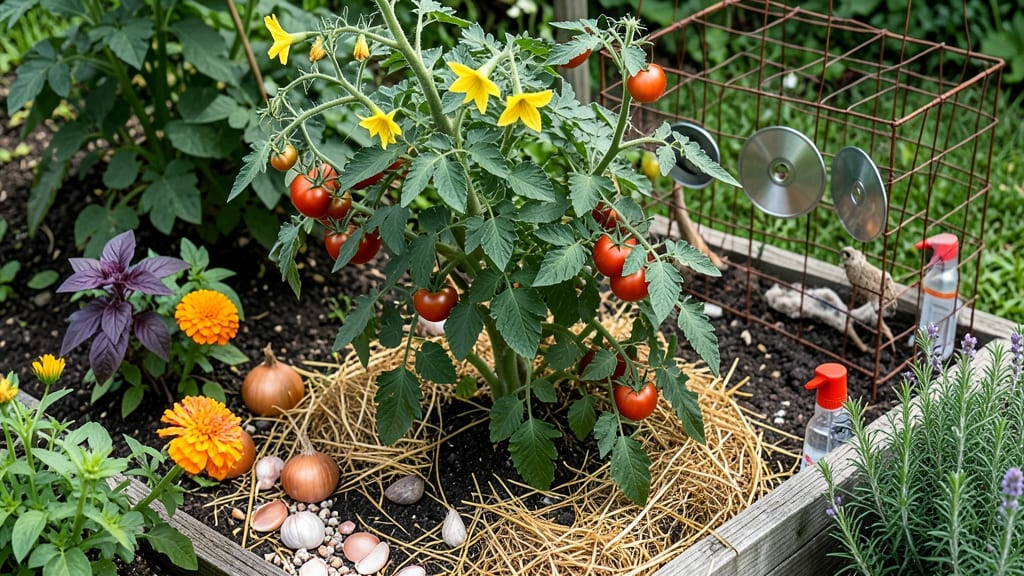
How to keep critters away from tomato plants—that’s the question every gardener asks after watching their hard work vanish overnight. 🌿 I’ve lost entire harvests to rabbits, deer, and even birds, but these humane strategies saved my tomatoes last season without harming a single creature. The key is layered defense: physical barriers like chicken wire or mesh, natural scents that mask tomato fragrance, and companion plants that confuse pests. No chemicals, no traps—just smart gardening that keeps your plants safe while respecting wildlife. You’ll spot damage early (chewed leaves, missing fruit) and act before it’s too late. The right setup deters 90% of critters without a single scare tactic that backfires. Works for backyard gardens, raised beds, and even container tomatoes. Let’s protect that harvest!
📚 In This Guide
- What you need
- Instructions
- Tips and common mistakes
- Wrapping up and next steps
What you need
- ● Physical Barriers: 1–2 rolls of hardware cloth (1/4"–1/2" mesh, 4'–6' tall, depending on critter size)
- ● 1–2 rolls of chicken wire (1"–2" mesh, for smaller pests like rabbits)
- ● Stakes or T-posts (6–12 per plant, 12"–18" long)
- ● Ziploc bags or twist ties (to secure mesh at the top)
- ● Natural Repellents: 1–2 spray bottles (16 oz, for homemade sprays)
- ● 1 cup hot pepper flakes or cayenne pepper (for spicy repellent)
- ● 1/2 cup garlic powder or fresh garlic cloves (chopped)
- ● 1/4 cup dish soap (unscented, as a surfactant)
- ● 1 gallon water (for mixing sprays)
- ● Companion Plants: 3–5 basil plants (potted or seeds)
- ● 2–3 marigold plants (French or Mexican varieties work best)
- ● 1–2 nasturtium plants (trailing or bush types)
- ● 1 package bok choy or radish seeds (as sacrificial traps)
- ● 1–2 reflective tape strips (scare away birds with flashes of light)
- ● 1 predator urine (fox or coyote, available at garden centers)
- ● 1 diatomaceous earth (food-grade, for crawling pests like slugs)
- ● 1 hose with a spray nozzle (for rinsing critters off plants)
- ● 1 garden journal (to track what works best for your critters!)
Tips & tricks for protecting tomato plants from critters
Between us, the key to saving your tomato harvest isn't just one trick—it's layering defense strategies like an onion. Here's what nobody tells you about making these methods work flawlessly.
Barrier Installation: When bending your 18-inch chicken wire cages, use a helper to hold the base steady while you work the top into a cylinder. This ensures the wire stays vertical and creates a proper cylinder shape—no wonky gaps where rabbits can squeeze through. I've learned the hard way that even a slight lean can create entry points. For extra reinforcement, add a second staple every 3 inches at the base where rabbits most commonly nibble.
Repellent Rotation: The 7-10 day reapplication window for your crushed red pepper and garlic powder mix is non-negotiable, but here's the secret: alternate between this combo and a fresh batch of predator urine every other application. Animals don't adapt as quickly when they encounter different scent profiles. I keep a small spray bottle of each in my gardening shed for quick rotations during my weekly checks.
Motion Sprinkler Placement: Position those motion-activated sprinklers so they cover the outer 3 feet of your tomato bed—but here's the game-changer: angle them slightly inward toward the plants. This creates a "no man's land" where pests get startled before they even reach your tomatoes. I've found that deer particularly dislike this unexpected water burst when they're approaching from the side.
Companion Plant Timing: When planting your basil and marigolds at the tomato bases, time it so they're already established by the time your tomatoes start flowering. This creates an immediate scent mask that confuses pests. I plant basil seeds indoors 6 weeks before transplanting tomatoes, then move them out when my tomato seedlings go in the ground—both get a head start.
Pro Tips for Keep Critters Away From Tomato Plants
- Between us, the key to saving your tomato harvest isn't just one trick—it's layering defense strategies like an onion.
- Barrier Installation: When bending your 18-inch chicken wire cages, use a helper to hold the base steady while you work the top into a cylinder.
- Animals don't adapt as quickly when they encounter different scent profiles.
Frequently asked questions
Got more questions about protecting your tomato plants? Here are some common concerns—and straightforward answers to help you keep critters at bay without harming them or your harvest.
What’s the best time of day to apply natural repellents like garlic or chili sprays?
Apply repellents in the early morning or late evening when pests are most active but temperatures are cooler. This prevents the spray from evaporating too quickly and gives it time to dry before sunlight intensifies. Reapply after heavy rain to maintain effectiveness.
Can companion plants like marigolds or basil really keep pests away, or is it just a myth?
No myth! Companion plants do work—but they’re most effective when planted early (before pests arrive) and maintained well. Marigolds repel nematodes and aphids, while basil deters flies and mosquitoes. Pair them with your tomatoes for a two-pronged defense.
How tall should a DIY critter fence be to stop rabbits and deer?
For rabbits, aim for 2–3 feet tall with outward-facing flaps (to deter digging). For deer, go 8 feet or taller—they’re persistent jumpers! Bury the fence 6 inches deep or add an apron to block burrowing critters like gophers.
Will coffee grounds or eggshells really work as a repellent?
Yes! Coffee grounds (sprinkled around plants) deter slugs and ants with their strong scent, while crushed eggshells act as a physical barrier for crawling pests. Refresh every 1–2 weeks for best results—just avoid over-applying, which can alter soil pH.
What do I do if pests keep coming back after I’ve tried everything?
Start with a pest audit: Check for hidden entry points (e.g., gaps in fences, overripe fruit attracting flies). Rotate repellent methods (e.g., switch from sprays to traps or companion plants). If infestations persist, consider row covers or neem oil for a broader defense.
Wrapping up and next steps
Keeping critters at bay from your tomato plants doesn’t have to be a battle—just a few smart, humane strategies can make all the difference! By combining physical barriers like fences or row covers with natural repellents like strong scents and companion plants, you’ll protect your harvest without harming wildlife. 🌱
Now that you’re armed with the best tricks, roll up your sleeves and give it a try! Start with one or two methods this season, observe what works best in your garden, and adjust as needed. Happy gardening—and enjoy those juicy tomatoes! 🍅