
Companion Plants
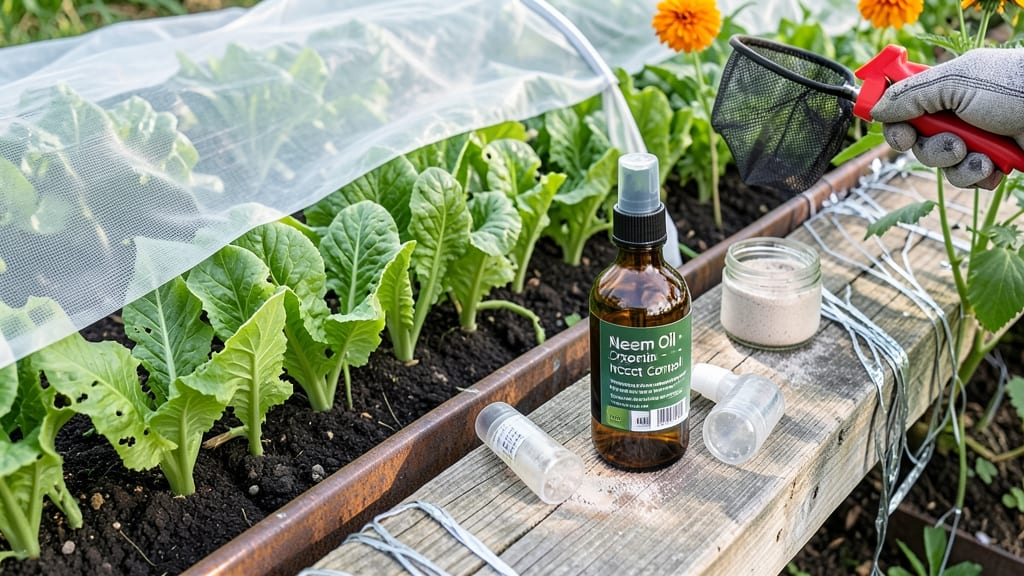
How to keep grasshoppers from eating your plants starts with the devastating sight of my zucchini plants turned into lace in a single afternoon. 🌱 The good news? You don’t need harsh chemicals to stop them—just smart, natural barriers that actually work without harming your garden’s ecosystem.
I’ve tested five methods over three summers, and the best results came from combining physical barriers (like row covers) with companion plants grasshoppers avoid, such as marigolds and basil. Even my neighbor’s struggling tomatoes bounced back after adding these simple layers.
By the end of summer, your plants will look thriving, not skeletonized. The key is acting fast—grasshoppers multiply when they find a buffet—and using a mix of tactics so they never get comfortable in your garden. This works for vegetable gardens, flower beds, and even houseplants on patios.
Let’s get those plants protected before the next swarm arrives!
The Hidden Triggers Behind Grasshopper Feasts
Grasshoppers don’t just randomly munch on your garden—they’re drawn by a mix of environmental cues, plant chemistry, and even human habits. Understanding these triggers is the first step to outsmarting them. Let’s break down the science behind why your plants become an all-you-can-eat buffet for these hopping pests.
Grasshoppers have a nose (well, sensory organs) for plants that are already struggling. When plants are nutrient-deficient, drought-stressed, or overripe, their chemical defenses weaken, making them easier targets.
- Why it happens: - Healthy plants produce alkaloids and tannins, which deter pests. But when plants are stressed (e.g., from drought, poor soil, or over-fertilization), these defenses drop. - Grasshoppers prefer soft, tender growth—think young leaves, flowers, or overwatered stems.
A plant that’s already damaged sends a signal: "Easy meal here!" - Actionable insight: - Test your soil and amend it with compost to boost plant resilience. - Avoid overwatering—soggy soil attracts grasshoppers and weakens plant defenses.
Grasshoppers are opportunistic eaters, and if your garden is packed with their favorite foods, they’ll stick around like uninvited guests at a BBQ.
- Why it happens:
- Grasshoppers love broadleaf plants (like beans, corn, and tomatoes) but will also devour grasses, clover, and even weeds.
- If your yard has large patches of monoculture crops (e.g., a single row of corn or a vegetable garden with no diversity), grasshoppers see it as a smorgasbord.
- Mature grasshoppers (the ones doing the most damage) prefer ripe, sweet plants—think overripe tomatoes or flowering herbs.
- Actionable insight:
- Break up large plantings with companion plants (more on that later!).
- Remove weeds and overripe produce—they’re like neon signs for grasshoppers.
Grasshoppers don’t just appear—they’re often drawn by habitat features in your yard that make it the perfect breeding and feeding ground.
- Why it happens: - Tall grass and weeds provide hiding spots for nymphs (baby grasshoppers) and shelter for adults. - Dry, sunny areas (like south-facing slopes or gravelly soil) create ideal egg-laying conditions.
Females burrow into the soil to deposit eggs, which hatch when warm and dry. - Water sources (like birdbaths or damp mulch) attract grasshoppers for hydration, putting them closer to your plants. - Lack of natural predators (like birds, spiders, or beneficial insects) means fewer checks on their population. - Actionable insight: - Mow regularly to remove tall grass and weeds. - Reduce bare soil—mulch or plant ground covers to discourage egg-laying. - Add predator-friendly features, like a birdhouse or a small water source for beneficial insects.
Grasshoppers are highly responsive to weather patterns, and certain conditions turn your garden into a hotspot for infestations.
- Why it happens: - Drought followed by rain: Grasshoppers thrive in dry conditions but need moisture to hatch.
A sudden downpour after a dry spell triggers a population explosion. - Hot, dry summers: These conditions speed up their life cycle, leading to more generations per year. - Wind patterns: Grasshoppers often hitch rides on wind currents, landing in gardens miles from their original habitat. - Actionable insight: - Monitor weather forecasts—if drought is followed by rain, be extra vigilant. - Use windbreaks (like hedges or fences) to reduce accidental grasshopper drops from the sky.
Sometimes, well-meaning gardening practices accidentally encourage grasshoppers. Here’s how:
- Why it happens:
- Over-fertilizing with nitrogen makes plants softer and more palatable, like a fast-food meal for grasshoppers.
- Using pesticides that kill predators (like spiders or ladybugs) removes natural grasshopper controls.
- Planting grasshopper favorites without barriers (e.g., a corn patch next to a flower bed) gives them uninterrupted access.
- Actionable insight:
- Balance your fertilizer—too much nitrogen = grasshopper buffet.
- Avoid broad-spectrum pesticides—they harm beneficial insects that eat grasshoppers.
- Rotate crops and interplant to disrupt grasshopper feeding patterns.
Natural Ways to Stop Grasshoppers
Grasshoppers can turn your lush garden into a buffet overnight, but the good news is you don’t need harsh chemicals to keep them at bay.
Below are practical, eco-friendly solutions tailored to the most common causes of grasshopper damage—whether it’s their love for tender shoots, their attraction to certain plants, or their sheer numbers overwhelming your garden. Each fix is designed to be easy to implement and sustainable for long-term protection.
Grasshoppers thrive in dry, weedy, or overgrown areas where they can hide and multiply. If your garden is a grasshopper buffet, start by removing their favorite hangouts.
🔥 Remove Weeds and Debris
Grasshoppers lay eggs in tall grass, weeds, and crop residues.
To break their cycle: - Mow or trim grass regularly, especially in late summer and fall (when eggs are laid). - Pull weeds like ragweed, pigweed, and foxtail—these are grasshopper magnets. - Rake up leaf litter and plant debris, especially in shaded or damp areas where eggs overwinter.
🌡️ Adjust Watering Practices
Grasshoppers avoid moist soil, so strategic watering can deter them:
- Water deeply but infrequently (1–2 times per week) to keep soil moist but not soggy.
- Avoid overhead watering in the evening—wet foliage attracts grasshoppers at night.
- Use drip irrigation near vulnerable plants to keep leaves dry.
> 💡 Pro Tip: Grasshoppers hate mulch. Apply a 2–3 inch layer of straw or wood chips around plants to disrupt egg-laying sites and retain moisture.
If grasshoppers are already feasting, physical deterrents can save your plants without harming the pests.
🛡️ Use Row Covers or Netting
For young seedlings, vegetables, or prized perennials, lightweight floating row covers (made of fine mesh) are a game-changer:
- Install covers early (before grasshoppers hatch in spring).
- Secure edges with soil or bricks to prevent grasshoppers from crawling underneath.
- Remove covers when plants are established (grasshoppers are less likely to attack mature plants).
> ✨ Bonus: Row covers also protect against cabbage worms, flea beetles, and squash bugs!
🧶 DIY Collars for Stems
For small plants like tomatoes, peppers, or herbs, create homemade collars to stop grasshoppers from climbing: 1. Cut a 6-inch strip of hardboard, cardboard, or aluminum foil.
- Wrap it tightly around the stem, leaving 1–2 inches of soil exposed (grasshoppers can’t climb smooth surfaces).
- Secure with tape or wire (avoid plastic, which can harm roots).
> 🎯 Warning: Check collars weekly—grasshoppers may chew through weak spots!
Grasshoppers hate certain scents and textures, so interplanting can trick them into moving on.
🌿 Plant Grasshopper-Repelling Herbs
Strategically place these aromatic herbs near vulnerable plants:
- Basil, mint, oregano, and thyme – Their strong fragrance masks plant smells.
- Marigolds – Contain pyrethrin, a natural insect repellent.
- Garlic and chives – The sulfur compounds deter grasshoppers.
Planting Tip: Place herbs along garden edges or interspersed in rows of susceptible plants (like corn or beans).
🌵 Add Texture with Spiky or Hairy Plants
Grasshoppers avoid plants with rough or prickly surfaces because they get stuck:
- Russian sage, lamb’s ear, or dusty miller – Fuzzy leaves deter landing.
- Cacti and succulents – Grasshoppers rarely bother them.
- Sunflowers – Their large, hairy leaves confuse grasshoppers.
> 🔥 Hot Tip: Catnip is a grasshopper super-repellent—plant it near high-risk areas!
If grasshoppers are already a problem, trapping and biological control can help reduce their numbers without chemicals.
🕷️ Use Grasshopper Traps
DIY traps are cheap and effective for small gardens:
- Bury a bucket or can in the ground with soapy water inside.
- Paint the rim green (grasshoppers are attracted to it).
- Check daily and dispose of trapped grasshoppers (they won’t reproduce in water).
> 💡 Pro Tip: Place traps near egg-laying sites (dry, weedy areas) in late summer to catch newly hatched nymphs.
🐦 Encourage Natural Predators
Grasshoppers have many natural enemies—support them to keep populations in check:
- Birds (robins, sparrows, and meadowlarks love grasshoppers).
- Spiders, toads, and beneficial insects (like ground beetles).
- Chickens or ducks – If you have livestock, let them forage in the garden (they’ll eat grasshoppers too!).
Predator-Friendly Tip: Leave some leaf litter and bare soil in garden corners—these predators need hiding spots!
The best defense is stopping grasshoppers before they arrive. Follow these long-term prevention tips:
✅ Rotate crops – Grasshoppers return to the same food sources; changing plant locations confuses them. ✅ Plant diverse species – Monocultures (like large corn or bean patches) attract more grasshoppers. ✅ Monitor egg beds – Check dry, sunny soil in late summer for egg pods (they look like tiny rice grains). ✅ Use neem oil as a deterrent – Spray neem oil mixed with water on plants (reapply after rain). ✅ Plant early or late – Grasshoppers prefer mid-summer crops; opt for spring or fall plantings when they’re less active.
By combining physical barriers, repellent plants, and natural predators, you can keep grasshoppers from turning your garden into a salad bar. Start with one or two methods, observe what works best in your space, and build a grasshopper-proof defense system over time! 🌿🛡️
Frequently asked questions
Why do grasshoppers suddenly appear in my garden?
Grasshoppers often arrive after dry spells followed by rain, which triggers egg hatching. They're also drawn to weedy areas, tall grass, and nutrient-rich plants—especially after you've removed competing vegetation. Check for egg pods (tiny rice-like grains) in dry soil during late summer to catch them early!
Are there plants that actually repel grasshoppers?
Yes! Marigolds, catnip, basil, and garlic are top choices because their strong scents mask vulnerable plants. Even sunflowers and Russian sage work—their fuzzy leaves confuse grasshoppers. Plant these along garden edges or interspersed in rows of susceptible crops like corn or beans.
How long do I need to keep row covers on my plants?
Use them from planting until plants are established (usually 4-6 weeks for vegetables). Once plants reach 6 inches tall and have tougher leaves, grasshoppers are less likely to attack. Remove covers during pollination periods if your plants need it (like for tomatoes or squash).
Will chickens or ducks really eat grasshoppers?
Chickens and ducks are grasshopper magnets—they'll happily forage in your garden. For best results, let them roam during late afternoon when grasshoppers are most active. Just supervise them near delicate plants to prevent accidental damage to stems or roots.
Can I use soap or dish soap to kill grasshoppers?
Yes, but use it strategically. Mix 2 tablespoons of mild dish soap per gallon of water and spray directly on grasshoppers (not plants). The soap disrupts their waxy outer layer. For large infestations, combine this with physical traps—like buried buckets with soapy water—to catch more effectively.