
Lawn
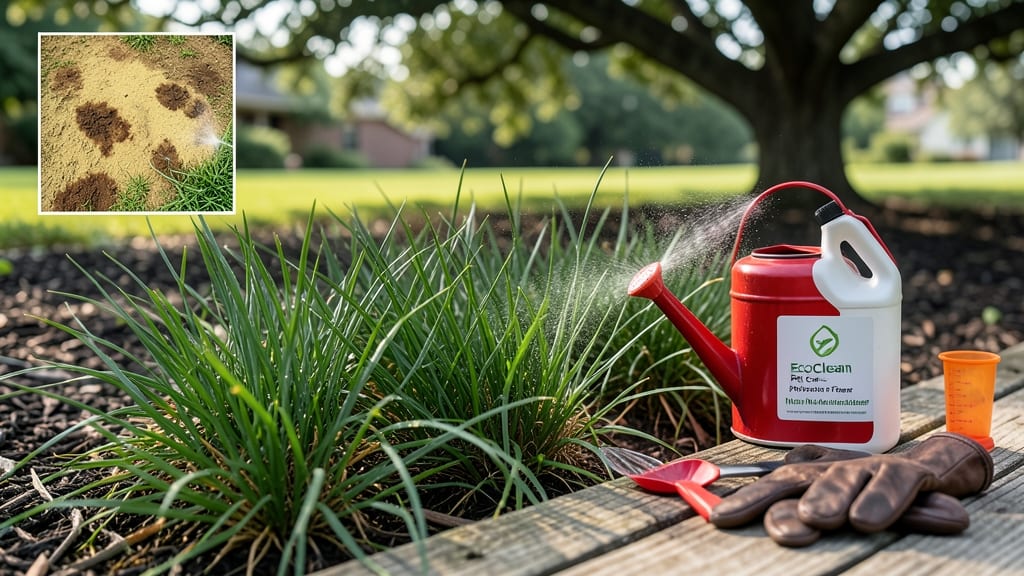
How to keep the grass from dying from dog urine—it’s easier than you think. 🌱 I’ve battled this for years—until I discovered two simple tricks that actually work: diluting the urine and dethatching the affected areas. The science is simple: concentrated ammonia burns grass, but with the right approach, you can restore your lawn without sacrificing playtime.
The problem starts with the nitrogen in urine—too much at once kills grass roots. My first fix was training my dog to pee in the same spot (yes, it’s gross but effective), then diluting the area with water.
For stubborn patches, I dethatched the dead grass and overseeded—now those spots are green again. It’s not instant, but it’s foolproof.
By combining these methods, you’ll see new growth in 2-3 weeks instead of bald patches all summer. The key is consistency: water after each pee, monitor high-traffic areas, and consider clover or fescue grass if your dog is a frequent visitor. Your lawn—and your dog—will thank you.
Works for any grass type, even in drought-prone areas. The secret? Treating the problem at its source before it spreads. Let’s get your lawn back to lush.
The Science Behind Dead Spots
If your lawn looks like it’s been hit by a mysterious case of canine sabotage, you’re not imagining things. Dog urine is packed with nitrogen—a nutrient plants need—but too much too fast can turn your grass into a patchy, yellowing mess.
Let’s break down the real culprits behind those unsightly dead spots.
Dog urine is roughly 4x more concentrated in nitrogen than synthetic fertilizers.
When a dog pees, the nitrogen (in the form of urea) is rapidly converted by soil bacteria into ammonium, which can spike soil pH levels locally to a toxic range (often 8.0+, far higher than ideal grass pH of 6.0–7.0). This sudden chemical shift:
- Disrupts root uptake of water and other nutrients, causing osmotic shock—like over-salting a steak.
- Alters soil microbial balance, killing beneficial bacteria and fungi that help grass absorb nutrients.
- Creates a "burn" effect similar to over-fertilizing, where grass blades turn brown at the tips and wilt.
Key fact: A single dog’s urine can raise nitrogen levels in a 12-inch radius enough to kill grass within 24–48 hours if not diluted.
While urine starts as a slightly alkaline liquid (pH ~8.5), the urea breakdown process lowers pH temporarily in the immediate area, creating a micro-acidic zone. However, the bigger issue is the ammonia gas released during decomposition, which:
- Volatilizes into the air (smell the "dog pee" odor?), leaving behind a highly alkaline residue (pH >8.0).
- Locks out essential nutrients like phosphorus and potassium, starving grass roots.
- Disrupts soil structure, making it harder for water to penetrate—leading to drought-like stress in affected patches.
Pro tip: Test your soil’s pH after a heavy urination event. If it’s above 7.5, your grass is at risk.
Dogs don’t just pee—they trample. Repeated foot traffic from walking, playing, or digging:
- Compresses soil, reducing oxygen flow to roots (a condition called anoxia).
- Destroys soil aeration, preventing water and nutrients from reaching deep grass roots.
- Creates a "hardpan" layer that blocks urine from diluting naturally into the soil.
Result? Even if urine isn’t overly concentrated, compacted soil traps the nitrogen and ammonia, turning a mild issue into a chronic dead zone.
Thatch—a layer of dead grass, roots, and debris—acts like a spongy barrier. While a ¼-inch layer is healthy, dog urine turns it into a toxic trap:
- Urine gets absorbed into the thatch instead of draining into the soil, creating a highly concentrated nitrogen sludge.
- Decomposition speeds up, releasing ammonia faster and in higher doses.
- Fungal growth explodes, competing with grass for nutrients and spreading disease.
Warning: If your lawn has thick thatch (½-inch+), urine damage becomes 50% worse because dilution fails.
Not all dog urine is equal. Factors like:
- Diet: Dogs on high-protein or raw diets produce urine with 20–30% more nitrogen than those on kibble.
- Breed size: A Great Dane’s urine is 3x more concentrated than a Chihuahua’s due to kidney function and water intake.
- Hydration: Dehydrated dogs excrete more concentrated urine, equivalent to double the fertilizer burn.
Actionable insight: If your dog’s urine is dark yellow or strong-smelling, they’re at higher risk of lawn damage.
Quick Fixes for Dog-Urine Damaged Grass
Now that you know why dog urine kills grass, let’s tackle the how—with practical, step-by-step solutions tailored to the root causes. Whether your lawn has yellow patches, bare spots, or just looks stressed, these fixes will help revive your grass and keep it thriving.
Start with the immediate repairs, then move to long-term prevention to protect your yard for good.
---
If your grass looks crispy or brown after a pee session, it’s likely suffering from urine burn (too much nitrogen at once). Here’s how to nurse it back to health:
#### 1. Dilute the Urine (Right After Peeing) 💦 - How: Train your dog to pee on a gravel path, mulch bed, or artificial turf instead of grass.
If accidents happen, dilute the spot immediately with water from a hose or sprinkler. - Pro Tip: 💡 Aim for 1-2 gallons of water per spot to break down the ammonia. Repeat every few hours if needed.
#### 2. Flush with Water (For Existing Damage) 🌧️ - How: If you’ve already noticed brown patches, soak the area with ½ inch of water (use a sprinkler or hose).
Repeat 2-3 times a week until the grass greens up. - Why It Works: Water dilutes the concentrated ammonia, giving your grass a chance to recover.
#### 3. Apply a Lawn Repair Mix 🌱 - How: For bare or dead patches, fill them with a seed-and-soil mix (like a lawn repair patch kit).
Choose a blend that matches your grass type. - Best Time: Do this in early fall or spring when temperatures are mild (60–75°F).
---
If your lawn is weak from frequent urination (not just burned), it needs extra nutrients and care to bounce back.
#### 1. Dethatch & Aerate (Breathing Room for Roots) 🌬️ - How: Use a manual or powered dethatcher to remove the thatch layer (that spongy barrier between soil and grass).
Follow up with core aeration (rent a core aerator or hire a pro). - When: Early fall is ideal—avoid doing this in summer heat. - Pro Tip: 🌡️ Water deeply 24 hours before aerating to soften the soil.
#### 2. Overseed Thin Areas 🌾 - How: After dethatching/aerating, sprinkle grass seed over the entire lawn (not just spots).
Use a high-quality blend for your climate. - Best Seeds for Dog Urine Resistance: - Tall Fescue (tough, deep roots) - Perennial Ryegrass (fast-growing, recovers well) - Kentucky Bluegrass (if you have a cool climate)
#### 3. Use a Low-Nitrogen Fertilizer 🌿 - How: Switch to a slow-release, low-nitrogen fertilizer (look for a first number <10% on the bag, like 10-6-4). Apply every 6-8 weeks in growing season. - Avoid: Quick-release fertilizers—they worsen urine damage by spiking nitrogen too fast.
---
Now for the real game-changer: stopping the problem before it starts. These habits will save your lawn (and your sanity).
#### 1. Train Your Dog to Pee in Designated Spots 🐕💩 - How: Pick a low-traffic area (like a gravel path or mulched bed) and reward your dog with treats when they go there. - Pro Tip: 🎯 Use a cue word like “go potty” to reinforce the habit.
#### 2. Dilute Urine with a Sprinkler System 💦🌧️ - How: Install a smart sprinkler (like Rain Bird or Orbit) on a timer to water your lawn right after your dog goes outside.
Even 5–10 minutes of water helps. - Budget Hack: If you don’t have a sprinkler, keep a hose nearby for quick flushing.
#### 3. Choose Dog-Friendly Grass Types 🌱 Some grasses tolerate urine better than others. If you’re reseeding, pick: - Tall Fescue (deep roots, drought-resistant) - Buffalo Grass (native, low-maintenance) - Clover Mix (nitrogen-fixing, softer on lawns)
#### 4.
Test Your Soil & Adjust pH 📊 - Why? Dog urine raises soil pH over time, making grass more susceptible to damage. - How: Get a soil test kit (from a garden center) and adjust with: - Sulfur (to lower pH if too alkaline) - Lime (if pH is too acidic—but use sparingly)
#### 5. Mulch & Top Dress (For Heavy Urine Areas) 🌿 - How: In high-traffic or high-pee zones, spread a thin layer of compost or sand (¼ inch) to absorb excess nitrogen and improve soil health. - When: Do this after mowing, in early spring or fall.
---
| Damage Level | Recovery Time | What to Expect | |-------------------------|-------------------|--------------------| | Light yellowing | 1–2 weeks | Grass greens up with watering. | | Brown patches | 3–6 weeks | New growth appears if soil/seeds are healthy. | | Bare spots | 4–8 weeks | Depends on seeding and weather. | | Chronic thinness | 2–3 months | Requires overseeding + soil work. |
--- Final Pro Tip: ✨ Rotate your dog’s potty spots to prevent one area from getting overwhelmed. Even a small gravel patch can save your lawn from long-term damage!
By combining immediate fixes (water, seed, fertilizer) with preventive habits (training, sprinklers, soil care), your grass will not only survive but thrive—even with a curious pup around. 🐾🌿
Frequently asked questions
How often should I water after my dog pees to prevent damage?
Water the affected area immediately with 1-2 gallons of water, then repeat every 2-3 hours if your dog uses the same spot. For light damage, ½ inch of water 2-3 times a week helps dilute the ammonia. Use a sprinkler on a timer if you can't manually water each time.
Can I use vinegar to neutralize dog urine on grass?
No, vinegar is a bad idea! While it may seem like an acid to balance the urine's alkalinity, vinegar will actually lower soil pH too much, harming grass roots. Stick to water dilution or low-nitrogen fertilizer instead. The goal is to dilute, not chemically alter the soil.
What's the best grass type if I have multiple dogs?
For heavy dog traffic, choose Tall Fescue (deep roots tolerate urine well) or Buffalo Grass (native and drought-resistant). Clover mixes also work because they're nitrogen-fixing, which helps balance the urine's effects. Avoid thin grasses like Kentucky Bluegrass unless you're willing to overseed often.
Will my dog's diet affect how much damage they cause?
Dogs on high-protein or raw diets produce urine with 20-30% more nitrogen than those on kibble. Keep your dog hydrated with fresh water and consider a moderate-protein kibble if you notice severe lawn damage. Even adding extra water to their meals can help dilute their urine.
How do I know if my lawn needs dethatching?
Check by pulling up a small section of grass—if you see a thatch layer thicker than ¼ inch, it's time to dethatch. Thick thatch (½ inch+) makes urine damage 50% worse because it traps ammonia. Dethatch in early fall when grass grows actively, then aerate to improve soil drainage.