
Shrubs
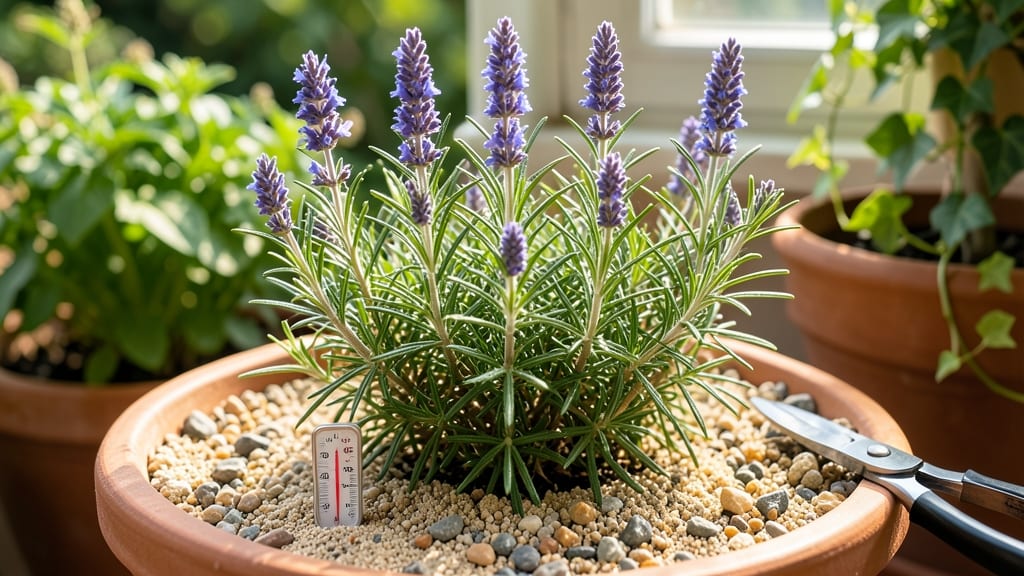
How to keep salvias flowering isn’t rocket science—just three simple steps: prune right, feed smart, and deadhead like a pro. 🌿 I’ve turned my once-sparse salvia bushes into nonstop bloomers by mastering these techniques after years of trial and error. The secret isn’t complicated: timing, precision, and a little extra care at the right moments.
Start by pruning once a year—right after the first flush of blooms fades. Use clean shears to trim back one-third of the oldest stems to encourage fresh growth. Feed with a balanced, slow-release fertilizer in early spring, then switch to a low-phosphorus, high-potassium blend when buds form.
Deadhead spent blooms every 2-3 weeks—snip just above the next set of leaves to keep energy flowing upward.
Your salvias will reward you with bold, vibrant blooms from spring through fall if you maintain consistent sunlight (at least 6 hours daily) and avoid overwatering. The key is dry soil between waterings—too much moisture leads to leggy growth and fewer flowers.
With these adjustments, even my black-thumbed salvias now put on a show that neighbors envy.
Seasonal tweaks make all the difference: Cut back woody stems in late winter to shape the plant, and reduce watering in winter unless you’re in a mild climate. If blooms slow down, check for pests (aphids love salvias) or nutrient deficiencies—yellow leaves mean it’s time to feed again.
Once you’ve got the rhythm, your salvias will keep flowering longer and harder than any other shrub in your garden.
📚 In This Guide
- What you need
- Instructions
- Tips and common mistakes
- Wrapping up and next steps
What you need
- ● Pruning shears: Sharp, clean, and sterilized (rubbing alcohol works). Bypass pruners (for clean cuts) are ideal.
- ● Garden gloves: Heavy-duty (nitrile or leather) to protect against thorns and dirt.
- ● Balanced fertilizer (e.g., 10-10-10 or 20-20-20): 1–2 lbs per 100 sq ft of garden bed. Slow-release granules or liquid feed are both great.
- ○ Deadheading scissors (optional but handy): Small, precise scissors for snipping spent blooms.
- ○ Mulch (optional): 2–3 inches of organic mulch (e.g., shredded bark or straw) to retain moisture and regulate soil temp.
- ● Well-draining soil: Salvias hate soggy roots. Amend clay soil with compost or perlite (50/50 mix).
- ● Sunlight access: 6+ hours of full sun daily (morning sun + afternoon shade works in hot climates).
- ● Watering can or hose: With a gentle spray nozzle to avoid damaging delicate stems.
- ● Patience: Overwatering or over-fertilizing can stress salvias—less is often more!
Step-by-Step instructions for keeping salvias in continuous bloom
Here's the method I've used to keep my salvias blooming for months—no tricks, just consistent care.
✂️ Step 1: Prune After First Major Flowering Cycle
Once your salvias finish their first big flush of flowers—usually in early summer—give them a light pruning to encourage a second round. Using clean, sharp pruners, cut back the stems by one-third just above a set of healthy leaves. This removes spent blooms while leaving enough foliage to photosynthesize and fuel new growth.
I always prune in the morning when stems are still firm. Avoid cutting into woody stems—salvias bloom on new growth, so you want to stimulate fresh shoots from the base. If you see any leggy stems, trim those back more aggressively to maintain a compact shape.
💧 Step 2: Water Deeply but Less Frequently
Salvias thrive when their roots run deep rather than staying shallow and thirsty. After pruning, water deeply—soaking the soil until it's moist 12 inches down. Let the top 2-3 inches dry out between waterings. Overwatering is the fastest way to kill salvias, as it causes root rot and fungal issues.
I use a soaker hose for established plants to deliver water slowly at the base. If your salvias start dropping leaves or looking wilted, you're likely overwatering. The soil should feel like a well-wrung sponge—not soggy, not bone-dry.
🌿 Step 3: Feed with Balanced Fertilizer Mid-Season
When new growth appears after pruning, it's time to feed. Use a balanced, water-soluble fertilizer (like 10-10-10) diluted to half-strength. Apply it every 4-6 weeks during the growing season. Salvias don’t need heavy feeding—they respond best to light, consistent nutrition rather than heavy doses.
I always fertilize in the morning so the plants have time to absorb nutrients before the heat of the day. Avoid fertilizing in winter or when the plant is stressed—it can burn roots. If you notice yellowing leaves after feeding, flush the soil with water to prevent salt buildup.
⏰ Step 4: Deadhead Regularly for Extended Blooms
Deadheading is the secret to nonstop salvia blooms. As soon as flowers fade, pinch or snip off the spent blossoms just above the next set of leaves. This prevents seed formation and redirects the plant’s energy into producing more flowers instead of setting seed.
I deadhead weekly during peak bloom season. Use your fingers for small flowers or clean pruners for larger clusters. The key is consistency—if you wait until the stems turn brown, the plant has already decided to focus on seed production rather than new blooms.
☀️ Step 5: Position for Sun and Wind Protection
Salvias need full sun—at least 6 hours daily—to bloom their best. If your plants look leggy or flowers are sparse, they’re likely not getting enough light. Move them to a sunnier spot or supplement with a grow light if indoors.
While they love sun, salvias also appreciate protection from harsh afternoon winds, which can dry out leaves and stress the plant. In containers, I use windbreaks or place them against a fence. Mulch around the base with 2-3 inches of organic mulch to retain moisture and regulate soil temperature.
Tips & tricks for keeping salvias blooming longer
These small adjustments make all the difference between seasonal blooms and months of vibrant color.
Pruning Precision: When you're cutting back those one-third stems in Step 1, focus on making clean cuts just above leaf nodes. I learned this the hard way after seeing new growth emerge from awkward cuts that left unsightly stubs. Use sharp pruners and angle cuts slightly away from the leaf to prevent water pooling—this reduces disease risk. For large salvias, consider thinning out some stems completely to improve air circulation and prevent fungal issues.
Watering Wisdom: The 12-inch deep watering in Step 2 is crucial, but timing matters too. I've found that watering in the early morning (before 8 AM) gives roots time to absorb moisture before the heat of the day. For container-grown salvias, water until you see drainage from the bottom—this ensures you're reaching those deep roots. During extreme heat, you might need to water every 5-6 days instead of the usual 7-10 day interval, but always check soil moisture first.
Fertilizer Timing: That 4-6 week feeding schedule in Step 3 works perfectly for most climates, but adjust based on your growing season. In cooler regions, you might stretch it to 6-8 weeks, while hotter climates can handle every 3-4 weeks. I've noticed salvias respond best when fertilized just as new growth appears—look for fresh leaves unfolding as your cue. For organic options, try fish emulsion or compost tea diluted to half-strength for similar results.
Deadheading Discipline: Weekly deadheading in Step 4 pays off big time, but don't neglect the stems after removing flowers. For particularly leggy salvias, I'll trim back the entire stem to just above a healthy leaf node. This aggressive approach encourages bushier growth and more blooms. Keep your pruners clean between plants to prevent spreading diseases like powdery mildew, which can ruin your salvias' vibrant appearance.
Pro Tips for Keep Salvias Flowering
- These small adjustments make all the difference between seasonal blooms and months of vibrant color.
- Pruning Precision: When you're cutting back those one-third stems in Step 1, focus on making clean cuts just above le...
- Watering Wisdom: The 12-inch deep watering in Step 2 is crucial, but timing matters too. I've found that watering in ...
Frequently asked questions
Got questions about keeping your salvias blooming like crazy? You’re not alone!
Here are answers to the most common ones—so you can enjoy vibrant flowers all season long.
Why aren’t my salvias flowering this year?
Salvias often skip blooms due to overcrowding, poor drainage, or too much nitrogen (which encourages leafy growth over flowers). Check their soil, spacing, and fertilizer—phosphorus and potassium are key for blooms!
When is the best time to deadhead salvias?
Deadhead after blooms fade but before seed pods form—typically spring through summer. For perennial salvias, trim back by 1/3 in early spring to encourage fresh growth. Annuals? Snip spent blooms weekly for continuous flowers!
Can I prune salvias too much?
Yes! Over-pruning (especially in late summer) can stunt next year’s blooms. Stick to light trims in spring and deadheading. For woody salvias, prune only to shape—never cut into old wood. Less is more!
What’s the best fertilizer for salvias?
Use a balanced, low-nitrogen fertilizer (like 5-10-10) or one high in phosphorus (10-20-10) to boost blooms. Organic options like bone meal or composted manure work too. Avoid high-nitrogen feeds—they’ll give you leaves, not flowers!
Do salvias need full sun to flower?
Most salvias thrive in full sun (6+ hours/day), but some (like Salvia nemorosa) tolerate partial shade. Too little light = fewer blooms. If your salvias are leggy or sparse, move them to a sunnier spot ASAP!
Wrapping up and next steps
Keeping your salvias blooming beautifully is all about consistent care—pruning to encourage growth, feeding them the right nutrients, and deadheading to prolong their show. With a little attention and these simple steps, your salvias will reward you with vibrant color all season long! 🌸
Ready to transform your garden? Start with one plant this week—pick a sunny spot, grab your shears, and give it a try! You’ve got this, and your salvias will thank you with a stunning display.