
How To
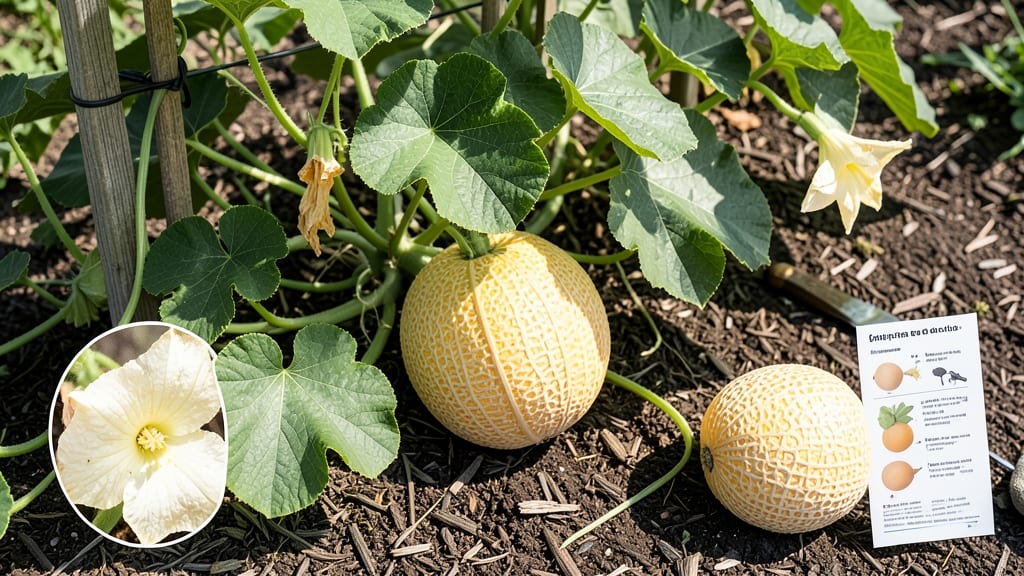
How to know if cantaloupe is ready to pick can turn a good harvest into a perfect one—and there’s more to it than just waiting for the right month. That sweet, fragrant 🍈 you’ve been dreaming of won’t magically appear overnight, but with the right cues, you’ll spot it before it slips past its prime.
The key lies in three simple checks that reveal whether your cantaloupe is at its peak: a creamy blossom end, a sweet aroma wafting from the vine, and just the right amount of give when you press it.
These signs aren’t just tricks—they’re science-backed clues that tell you the fruit’s sugars and flavors have fully developed.
But here’s the catch: heat, humidity, and even your soil can speed up or slow down ripening, making those classic tests sometimes tricky to read.
That’s why I’ll walk you through exactly what to look (and smell) for, plus how to adjust for your climate so you never miss the window.
Skip the guesswork and learn how to pick cantaloupes that burst with flavor every time—no overripe mush or underripe disappointment in sight. Let’s get started.


3 Visual and tactile signs your cantaloupe is ripe
Mastering the art of picking the perfect cantaloupe starts with understanding its visual and tactile cues. Unlike some fruits that ripen off the vine, cantaloupes reach peak sweetness when harvested at just the right moment.
These three simple signs will help you avoid the disappointment of underripe or overripe fruit.
First, pay attention to the blossom end—the flat side where the stem once attached. A ripe cantaloupe will show a creamy beige or tan color here, while unripe fruit keeps its white or green hue. This color change is your first visual green light for harvest.
Next, examine the vine and stem. When cantaloupes are ready, the vine begins to yellow and die back, signaling the plant is redirecting energy to the fruit. If the stem detaches easily with a slight twist, that’s another clear sign of ripeness.
3 Key Ripeness Indicators
Blossom End Color
Look for creamy beige or tan at the flat end—never white or green. This indicates full sugar development.
Vine and Stem Condition
The vine should yellow and die back, and the stem should detach easily when gently twisted.
Skin Texture and Weight
A ripe cantaloupe feels heavy for its size and has a slightly dull, matte skin that resists gentle thumb pressure.
Don’t overlook the skin texture—ripe cantaloupes develop a dull, matte finish rather than a shiny surface. When you press your thumb against the skin, it should give slightly but not dent deeply. This firmness indicates the fruit’s sugars have fully developed without becoming mushy.
Pro tip: If you’re growing cantaloupes in hot, dry climates, these visual cues may appear faster. In cooler or humid conditions, the ripening process slows down, so monitor your fruit more frequently. Always pick in the morning when fruit is coolest for the most accurate readings.
For gardeners in USDA Zone 6a or warmer, cantaloupes typically reach harvest readiness between 75-90 days after planting. However, these visual and tactile tests are more reliable than relying solely on days to maturity.
One common mistake is assuming all cantaloupes ripen at the same rate. Smaller varieties like 'Tiny' or 'Minnesota Midget' may ripen faster than larger types like 'Athena' or 'Hale’s Best.' Always check individual fruit rather than assuming the whole crop is ready.
Finally, trust your senses—if a cantaloupe meets all three signs but still smells mild or off, it’s best to wait another day. The perfect cantaloupe should pass all these tests with flying colors.
3 Visual and tactile signs your cantaloupe is ripe
Nothing beats the satisfaction of harvesting a perfectly ripe cantaloupe straight from your garden. The key is knowing which visual cues and tactile clues to look for—because once you master these, you’ll never guess again.
Start by examining the blossom end, the flat side where the fruit attached to the vine. When ripe, this area turns from white or green to a creamy beige or tan color.
Next, check the vine attachment. A ripe cantaloupe will detach easily from the vine when gently twisted—this is nature’s way of telling you it’s ready. If the vine resists, the fruit likely needs more time.
Also, look for network patterns on the rind. These spiderweb-like lines deepen as the fruit matures, signaling ripeness.
1. Blossom End Color
Look for creamy beige or tan instead of white or green.
Don’t overlook the fruit’s weight. A ripe cantaloupe feels heavy for its size because it’s packed with juice. Lift it—if it feels light, it’s underripe. Finally, press your thumb gently into the skin near the blossom end.
The fruit should yield slightly but not dent. This slight give indicates optimal ripeness, while a hard surface means it’s not ready yet.
Pro tip: If you’re growing cantaloupes in hot climates, check for ripeness earlier in the day when the fruit is cooler. Heat can make the skin feel firmer, leading to false conclusions. Always prioritize the blossom end color and vine detachment—these are the most reliable indicators.
For gardeners in shorter growing seasons, mark your calendar for 75-90 days after planting. This is the typical harvest window for most cantaloupe varieties, but always confirm with visual checks. If you miss the window, don’t worry—you can still ripen cantaloupes indoors (more on that later!).
Remember, the sooner you harvest after these signs appear, the sweeter your cantaloupe will be. Waiting too long risks overripeness, which dulls flavor and attracts pests.
Now that you’ve got the visual and tactile cues down, let’s explore how smell and sound can further confirm ripeness—because sometimes, your nose and ears know best.