
How To
Learning how to know when apricots are ripe can turn a mealy disappointment into a sweet, juicy victory—so how do you tell if your 🍑 are ready for picking?
Picture this: you're reaching for that perfect apricot, but it's still rock-hard or falls apart at the touch. That's the difference between a perfect harvest and wasted effort. The secret lies in three simple tactile tests that reveal ripeness before you even taste it.
From the gentle give of the skin to the way it separates from the tree, these clues will help you pick apricots at their peak. Whether you're a backyard gardener or just love fresh fruit, mastering these signs means never settling for less-than-perfect apricots again.
Let's break down exactly what to look—and feel—for so you can harvest with confidence every time.


3 Tactile tests to determine apricot ripeness before picking
Apricots are ready to pick when they pass these three tactile tests—each one confirms ripeness before you even check the color. My favorite method? The gentle squeeze test, which reveals the fruit's internal readiness.
Over the years, I've learned that overripe apricots can turn mushy within hours, so timing matters!
Start by examining the fruit's skin texture. A ripe apricot should feel slightly velvety or downy to the touch, not waxy or smooth. Run your thumb over the surface—if it feels rough like fine sandpaper, that's your cue to pick it soon.
This texture change happens as the fruit's sugars develop, making it irresistibly sweet.
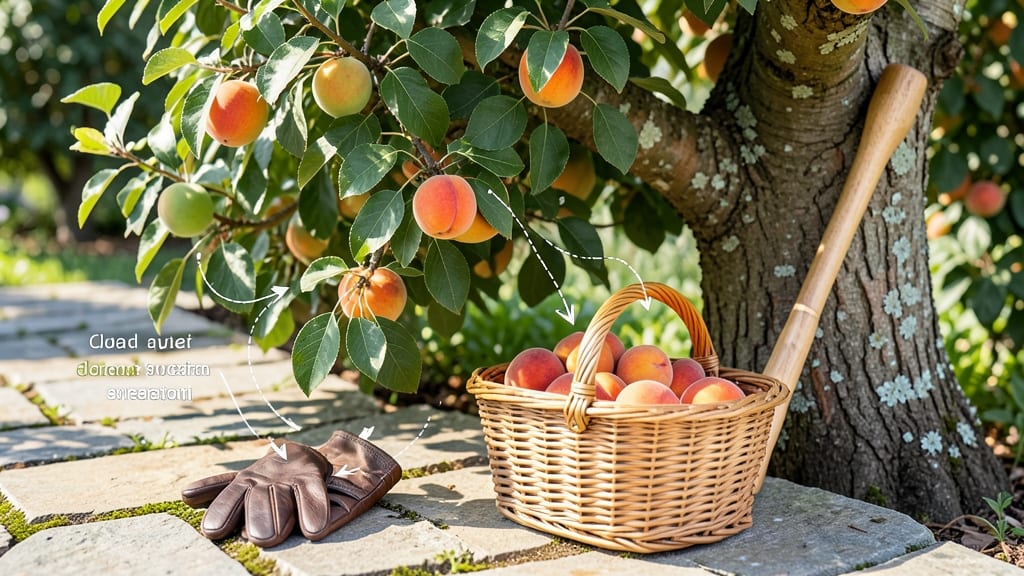
Visual Element:
- 1. Gentle Squeeze Test: Press lightly—ripe apricots yield slightly but don't squish. If it feels firm like a tennis ball, wait 2-3 days.
- 2. Stem Twist Test: Grip the apricot and twist gently. It should detach cleanly from the stem with minimal force. Resistance means it's not ready.
- 3. Skin Texture Check: Rub your thumb over the skin. Ripe apricots feel slightly fuzzy, not smooth. Smooth = underripe; wrinkled = overripe.
The stem twist test is my go-to for speed. Hold the apricot firmly and twist it gently at the stem. A ripe fruit will pop off with just a little pressure—no tugging required.
If the stem snaps or resists, it's not ready yet. This test works best in morning hours when fruits are cooler and firmer.
Don’t overlook the seed color inside the apricot—it’s a hidden ripeness clue! Cut one open to check: the seed should be white or pale yellow, not green or brown.
Green seeds mean the fruit picked too early, while brown seeds signal overripeness. I always test one fruit per branch to ensure consistency across the tree.
Timing your harvest is crucial, especially in hot climates where apricots ripen faster. Pick in the early morning when temperatures are cooler to preserve quality. Store them at room temperature for 2-3 days max—they’ll soften quickly once picked, so plan to use or refrigerate them soon.
One common mistake I see is picking apricots based on color alone. Some varieties stay greenish-yellow even when ripe! That’s why I always combine the squeeze test with the stem twist—together, they’re foolproof. Overripe apricots bruise easily, so handle them like glass ornaments when harvesting.
If you’re growing dwarf apricot trees, ripeness tests work the same, but check fruits more frequently—they ripen 1-2 weeks earlier than standard trees. I’ve found that container-grown apricots also ripen faster due to limited root space, so monitor them closely during peak season.
For commercial growers, ripeness testing is even more critical. Use a penetrometer (a tool measuring fruit firmness) for large-scale harvests. At home, your fingers work just as well—just be consistent with your pressure. The goal? A slight give, not a squish.
Finally, remember that apricot varieties ripen at different times. Early-season types like 'Blush' ripen in June, while late varieties like 'Royal' peak in July-August. Keep a harvest journal to track your tree’s pattern—it’ll help you predict ripeness in future years.
3 Tactile tests to determine apricot ripeness before picking
Apricots ripen quickly once they reach maturity, so knowing how to test them with your hands is the fastest way to avoid overripe or underripe fruit. The key is to combine these three tactile tests for the most accurate results.
Start by gently handling the fruit—if it feels too firm or too mushy, it’s not ready yet.
First, examine the skin texture. A ripe apricot’s skin should feel slightly soft but not mushy, almost like a ripe peach. Run your thumb over the surface—if it gives way just a little, that’s a good sign.
Avoid picking fruit with rough or leathery skin, as it’s likely still firming up.
🌱
Next, pay attention to the stem’s response. A ripe apricot should detach from the tree with minimal effort—almost like it’s begging to be picked. If you’re tugging hard and the fruit isn’t budging, it’s not ready.
This test is especially useful for tree-ripened apricots, where color alone can be misleading.
Finally, check the seed color by cutting one open (if you’re unsure). A ripe apricot’s seed should be light brown or tan, not green or white. This is a foolproof way to confirm ripeness, especially for varieties that ripen unevenly on the tree.
Pro tip: Test a few apricots from different branches—ripeness varies depending on sunlight exposure and tree location. Always pick on a cool morning to preserve flavor and texture.
✂️