
How To
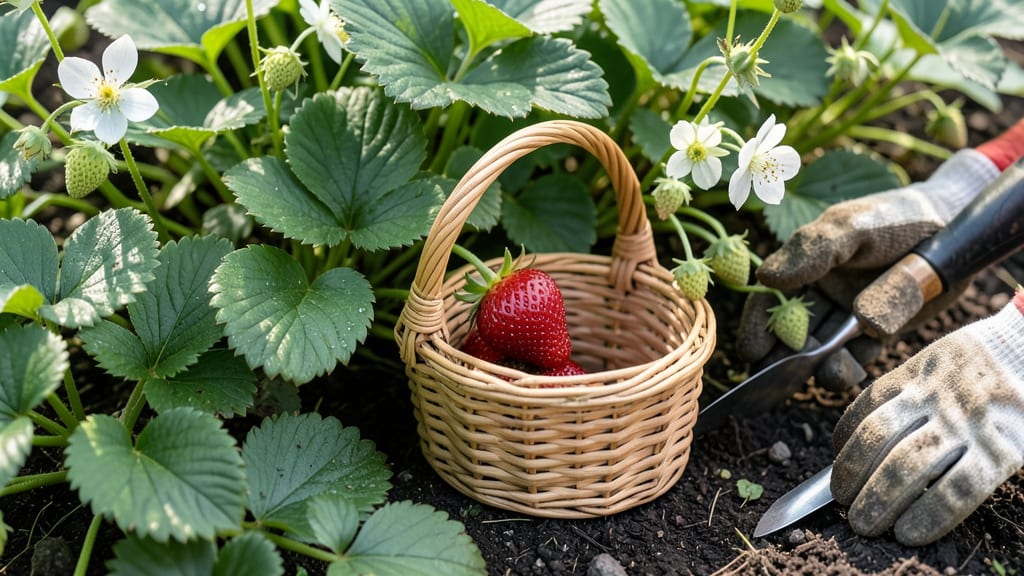
How to know when strawberries are ready to pick is the difference between a burst of sweetness and a bland, mealy disappointment. That perfect red hue and glossy sheen you've been waiting for aren't the only clues—your fingers and nose play crucial roles too.
I've learned the hard way that timing matters, especially in USDA Zone 6a where spring harvests can be unpredictable. A strawberry that looks ripe might still need days to reach its peak flavor, while others can overripen overnight.
The key is understanding the subtle cues that tell you "now's the time."
Let me show you exactly what to look for beyond just color—how to test firmness, recognize that irresistible aroma, and avoid the common mistakes that make strawberries taste underwhelming. By the end, you'll be harvesting perfectly ripe berries every time.
Whether you're a first-time gardener or a seasoned grower, these simple tactile tests will transform your picking routine. No more guesswork—just delicious, juicy strawberries straight from your garden to your plate.


3 Tactile tests to determine strawberry ripeness with your hands
There’s nothing worse than biting into a strawberry that’s either underripe and tart or overripe and mushy. The secret to perfect strawberries lies in your hands—literally! By mastering these three tactile tests, you’ll never second-guess when to pick again.
The best part? You don’t even need fancy tools, just your eyes, fingers, and nose.
Strawberries ripen on the plant, so timing is everything. Unlike some fruits that ripen after picking, strawberries only get sweeter when left on the vine—but only up to a point. Overripe berries lose their bright color and firm texture, turning mealy and losing flavor.
The key is catching them at peak ripeness, which happens when they pass these three simple checks.
Color Test: Fully Colored with No Green
Ripe strawberries should be fully their mature color—whether that’s bright red, deep pink, or yellow (depending on the variety). Look for zero green on the cap or shoulders. Even a tiny patch of green means the berry needs more time. Pro tip: Some varieties like Albion stay white—check the seeds for brownness instead!
Texture Test: Slight Give When Gently Squeezed
Gently squeeze the berry between your thumb and forefinger. A ripe strawberry will feel plump but slightly soft—like a ripe peach. If it’s rock-hard, it’s underripe. If it’s mushy or squishy, it’s overripe. The ideal texture is firm yet yielding, almost like a stress ball that won’t pop.
Aroma Test: Sweet, Fruity Scent Near the Stem
Give the berry a quick sniff near the stem. A ripe strawberry should smell intensely sweet and fragrant, almost like candy. If it’s neutral or sour-smelling, it’s not ready. Some varieties (like Seascape) have a stronger aroma—trust your nose! This test is especially useful for hidden berries under leaves.
These three tests work together like a ripeness
3 Tactile tests to determine strawberry ripeness with your hands
Nothing beats the thrill of plucking a perfectly ripe strawberry straight from the vine—juicy, sweet, and bursting with flavor. But how do you know when those bright red berries are truly ready? The secret lies in your hands and senses.
By using three simple tactile tests, you can guarantee you’re harvesting at peak ripeness every time, avoiding the disappointment of bland or overripe fruit.
First, let’s debunk the myth that strawberries must be fully detached from the plant to be ripe. Many varieties stay attached until you pick them, so focus on color, texture, and scent instead.
These cues are your best friends in the garden. Whether you’re growing June-bearing, everbearing, or day-neutral varieties, these tests apply universally. Ready to master the art of picking?
📌 Here’s how to test strawberry ripeness with your hands:
-
Test 1: Color Consistency
Fully ripe strawberries should be evenly colored—no green or white patches. For red varieties, this means deep, uniform red from top to bottom. Yellow varieties should be bright yellow with no green hints. If you see uneven coloring, the berry needs more time on the vine. -
Test 2: Gentle Squeeze
Gently squeeze the berry between your thumb and forefinger. A ripe strawberry should yield slightly to pressure but not feel mushy. If it’s rock-hard, it’s underripe. If it’s too soft or leaves an indent, it’s overripe and past its prime. Aim for a plump, firm feel with a tiny give. -
Test 3: Aroma Check
Give the berry a quick sniff near your nose. A ripe strawberry emits a sweet, fragrant aroma. If it smells sour, fermented, or has no scent, it’s not ready. This test is especially useful for white or pale varieties, where color isn’t as obvious.
Pro tip: Pick strawberries in the morning when they’re cool and hydrated. This is when their sugar content is highest, and the fruit is firmer. Avoid picking after rain or in the heat of the day, as this can dilute flavor and make the berries more prone to bruising.
Once you’ve mastered these tactile tests, you’ll never second-guess when to harvest again. The key is consistency—check your plants every 2-3 days during peak season to catch them at their sweetest.
And remember, gentle handling is crucial. Strawberries bruise easily, so grasp them firmly but avoid squeezing too hard when picking.
Now that you know how to pick like a pro, your next challenge is avoiding common mistakes that turn sweet strawberries into bland ones. Stay tuned for our next section on what to watch out for! 🍓