
How To
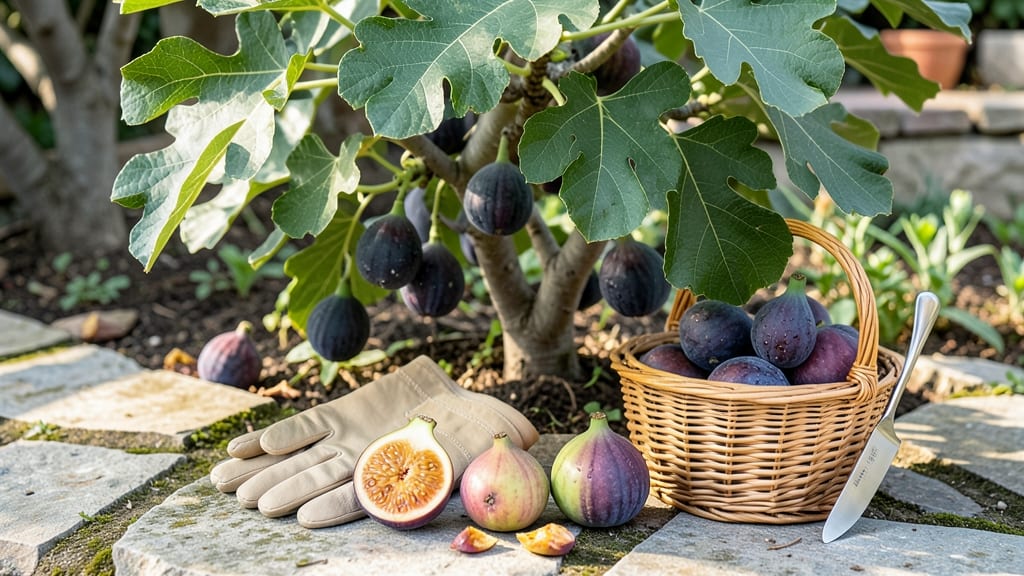
How to know when to pick figs can turn a good harvest into a great one—or leave you with bitter disappointment. That perfect sweetness and texture you crave? It’s all about timing, and missing the window means wasted effort or bland fruit. The good news? With just a few simple tricks, you can tell exactly when your 🍈 are ready to harvest, even if you’re a first-time fig grower.
Most gardeners wait for the obvious signs—like color changes—but the real secret lies in what’s happening beneath the skin. Figs give subtle clues through texture, weight, and even how they respond to a gentle tug.
If you’ve ever picked a fig that was too firm or too mushy, you’ll love how these three tactile tests take the guesswork out of harvesting. No more second-guessing!
Timing matters even more when you consider the late summer to early fall window for USDA Zone 6a growers. Picking too early means underripe, tart fruit, while waiting too long can lead to overripe messes.
I’ll walk you through the best times of day to harvest and how to spot the difference between a perfectly ripe fig and one that’s past its prime.
Ready to master the art of harvesting? Let’s dive into the foolproof methods that’ll ensure your figs are at their peak flavor every time—no more wasted fruit, just perfect sweetness waiting for you.


3 Tactile tests to determine perfect fig ripeness
Harvesting figs at the right moment transforms your garden bounty from meh to magical. Unlike many fruits, figs don’t ripen after picking, so timing is everything.
The key lies in your hands—literally! Three simple tactile tests will tell you exactly when to pluck them for peak flavor and texture.
First, let’s talk about skin softness. A ripe fig’s skin should yield slightly when you gently press it with your thumb. Think of it like testing a ripe peach—just enough give to know it’s ready.
If the skin feels rock-hard or springs back immediately, it’s not there yet. Overripe figs, on the other hand, will feel mushy or even split open.
Next, focus on the stem detachment test. Grasp the fig’s stem between your thumb and forefinger and give it a gentle twist. A ripe fig’s stem should snap cleanly or detach with minimal resistance.
If the stem bends but doesn’t break, the fig needs more time. This test is especially critical for tree-ripened figs, as they rely on natural sugars developing fully before harvest.
Now, let’s look at color consistency. While color varies by variety (purple, green, or brown), a ripe fig’s hue should be deep and uniform. No more patches of pale green or dull tones—just a rich, vibrant color.
For example, Brown Turkey figs turn a deep amber, while Black Mission figs darken to a rich purple. Inconsistent coloring means the fig isn’t ready yet.
Here’s where things get interesting: the weight-to-size ratio. Pick up a fig and compare its heft to its size. A ripe fig feels surprisingly heavy for its dimensions, almost like it’s packed with juice.
This is your cue that the sugars have fully developed. If it feels light or hollow, it’s still maturing on the tree.
One mistake many gardeners make is waiting until figs fall off the tree on their own. While this can happen, it often means the figs are past their prime—soft, seedy, or even fermenting.
Instead, use these tactile tests to harvest them just before they detach naturally. This ensures you get figs that are firm, flavorful, and free of pests.
Pro tip: Morning harvests yield the sweetest figs because overnight temperatures allow sugars to concentrate. Avoid picking after a rainstorm, as moisture can dilute flavor and attract pests. Always use clean, sharp pruners or simply twist the stem—never tug or pull, as this can damage the tree.
For container-grown figs, the same rules apply, but check for ripeness daily since they ripen faster in pots. If you’re growing multiple varieties, keep a small notebook to track which ones ripen first. Some, like Celeste, are early producers, while others, like Violette de Bordeaux, take longer.
Remember, figs won’t ripen further after picking, so don’t wait for that "perfect" moment if these tests say it’s time. The window between perfect ripeness and overripe is narrow—sometimes just 24 hours. Once you master these tactile cues, you’ll never second-guess your harvest again.
🌱
- 1 Skin Softness Test: Press gently—ripe figs yield slightly like a peach. Hard = unripe, mushy = overripe.
- 2 Stem Detachment: Twist the stem—it should snap cleanly. If it bends, wait 1-2 days.
- 3 Color Consistency: Deep, uniform color (no pale patches). Purple, green, or brown—just rich and vibrant.
- 4 Weight Check: Ripe figs feel heavy for their size. Lightweight = underripe.
If you’re still unsure, try the "squeeze test" on a few figs. A ripe fig will feel firm but slightly pliant, like a well-ripened avocado. Overripe figs will squish between your fingers, and underripe ones will feel like they’re filled with marbles.
This test is especially useful for green varieties, where color changes are less dramatic.
For gardeners in cooler climates, like USDA Zone 6 or below, figs may ripen more slowly. Pay extra attention to the stem test and weight, as color changes might be subtler.
If your figs aren’t ripening at all, check for adequate sunlight—figs need at least 6-8 hours of direct sun daily to produce sweet fruit.
Once you’ve mastered these tests, you’ll never waste a single fig again. The difference between a meh fig and a mind-blowing one is just a few days of perfect timing. Now grab your pr
3 Tactile tests to determine perfect fig ripeness
Figs are ripe when they’re soft to the touch but still firm—like a ripe peach. The key is using your hands to test three simple tactile cues that guarantee peak flavor.
Overripe figs become mushy and lose their sweetness, while underripe ones are hard and bitter. I’ve learned the hard way that timing is everything when harvesting!
First, look for color consistency across the fig’s skin. Varieties like Black Mission turn deep purple, while Brown Turkey develops a rich brown hue. Inconsistent coloring means the fig isn’t fully ripe yet.
Pro tip: Morning sunlight enhances these colors, so check your figs in the early hours for the most accurate reading.
Next, perform the softness test by gently pressing a fig with your thumb. A ripe fig will feel slightly yielding but not mushy. Think of it like testing a peach’s ripeness—if it gives just a little, it’s ready.
Avoid squeezing too hard; you’ll bruise the skin and attract pests like fruit flies. I once picked a batch too early because I didn’t press gently enough, and they never sweetened properly!
The stem test is my favorite trick because it’s foolproof. Grasp the fig’s stem between your thumb and forefinger and bend it gently. If it snaps cleanly (like a dry twig), the fig is ripe.
If it resists or tears, wait another day or two. This test works best on mature figs—young, green figs won’t pass it yet, no matter how hard you try.
One common mistake I see is picking figs based on size alone. A fig can be large but still underripe, or small but perfectly sweet. Always combine these three tactile tests for accuracy.
For example, a Brown Turkey fig might be big but still firm—check the stem and skin first. Over time, you’ll develop a feel for your specific fig variety’s ripeness.
Finally, harvest your figs in the morning after dew has dried. The cooler temperatures slow sugar conversion, so figs taste sweeter and firmer. Store them in a paper bag in the fridge for up to 5 days, or eat them fresh for the best flavor.
Trust your hands—they’re the best tools in your gardening arsenal!