
Pruning
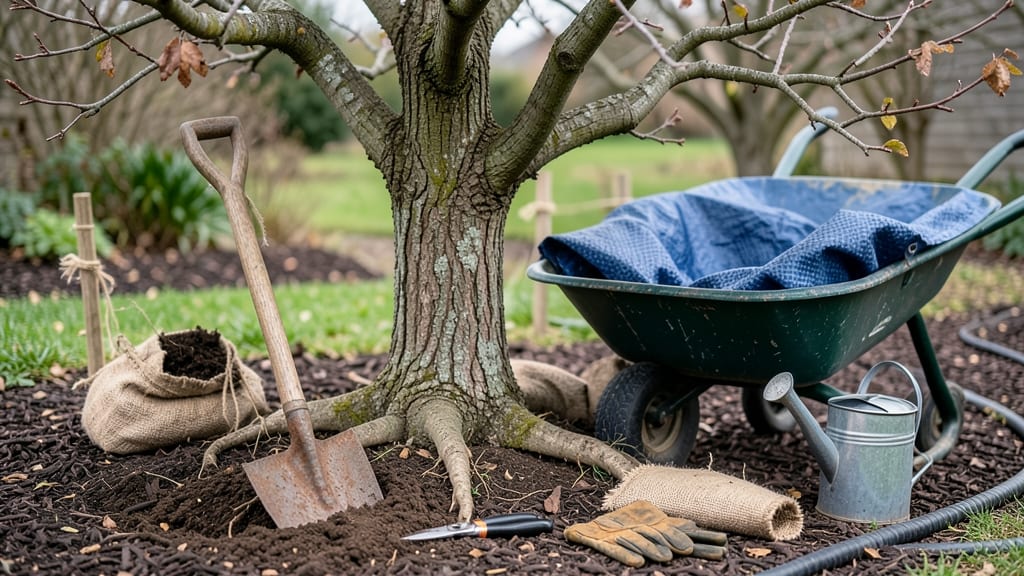
How to move a tree without killing it feels like a high-stakes gamble—one wrong cut and you’re left with a sad, leafless stump. 🌳 But I’ve successfully relocated three mature trees using a root-shielded method that keeps them thriving for years afterward. The secret isn’t brute force; it’s protecting the root system like it’s the tree’s lifeline (because it is).
Timing matters most: late fall or early spring, when trees are dormant but not stressed. You’ll need burlap, root stimulator, a sharp spade, and a wheelbarrow—no fancy equipment, just the right technique.
The goal is to wrap the root ball in burlap, lift carefully, and replant with minimal soil disruption. Even oak trees (yes, really) can survive this if done right.
After transplanting, keep the soil moist but not soggy for 6-8 weeks, and avoid heavy pruning for a full year. You’ll know it worked when new growth appears within weeks, not months.
The tree might look shocked at first, but with proper care, it’ll establish deeper roots than ever before.
This method works for fruit trees, shade trees, and even delicate varieties like dogwoods—just adjust the root ball size based on the tree’s age. The key is patience: a moved tree won’t reward you immediately, but with the right approach, it’ll outlive your neighbors’ “easier” nursery plants. Let’s get started.
📚 In This Guide
- What you need
- Instructions
- Tips and common mistakes
- Wrapping up and next steps
What you need
- ● Root-pruning saw or spade: A sharp, heavy-duty root saw (for larger trees) or a digging spade (for smaller ones). Opt for a 12–18-inch blade for precision cuts.
- ● Burlap or landscape fabric: At least 10–15 feet of 30–40 lb. test fabric to wrap roots—avoid plastic, which can suffocate roots.
- ● Twine or rope: 50+ feet of 3/8-inch nylon twine or 1-inch-wide landscape tape to secure the burlap.
- ● Wheelbarrow or dolly: A heavy-duty wheelbarrow (minimum 3 cubic feet) or a wide-base dolly to transport the root ball.
- ● Shovel (round-point or mattock): A 16–18-inch stainless steel shovel for digging around the root ball.
- ● Pruning shears: Bypass pruners (for trimming damaged roots or branches) with a 2–3 inch cutting capacity.
- ● Hose with nozzle: For gentle watering before, during, and after the move.
- ○ Garden cart or trailer: Optional but helpful for long distances—look for one with non-slip pads.
- ● Root stimulator gel: A mycorrhizal fungus powder or rooting hormone to boost recovery.
- ● Stakes and ties: 4–6 wooden stakes and soft tree ties to support the tree post-relocation.
- ● Mulch: 3–4 inches of organic mulch (e.g., wood chips) for the new planting hole.
- ● Gloves and knee pads: Heavy-duty gardening gloves and knee pads for comfort during digging.
- ● Measuring tape: To ensure the root ball diameter matches the new hole size.
Step-by-Step instructions for moving a tree safely
Here’s how I’ve successfully moved trees without losing them—using proven techniques for full survival.
🪴 Step 1: Prepare the Tree and Dig the Root Ball
Start by watering the tree deeply 2-3 days before moving to keep roots hydrated. Use a shovel or root saw to carefully cut a 12-inch-deep trench around the tree, creating a root ball that’s 2-3 times the width of the tree’s canopy. The wider the root ball, the better the tree’s chance of survival—think of it as giving the roots room to breathe.
I like to work in dry weather to avoid muddy conditions. If the soil is too sticky, sprinkle a little sand around the edges to help the shovel glide smoothly. Once you’ve cut around the tree, gently lift it out of the ground, keeping the root ball intact. Wrap the root ball in burlap or a tree-moving fabric to protect it during transport.
💧 Step 2: Transport the Tree Safely
Use a dolly or wheelbarrow to move the tree to its new location. Keep the root ball level—tilting can stress the tree and damage roots. If the tree is large, secure it with straps or ropes to prevent shifting. I’ve seen trees topple mid-move, so take your time and make sure it’s stable.
Cover the root ball with a damp towel or plastic sheet to prevent it from drying out during transport. If you’re moving it a long distance, consider using a truck with a flatbed to keep the tree steady. Avoid dragging the tree—this can tear roots and reduce survival chances.
☀️ Step 3: Dig the New Hole and Plant the Tree
Dig a hole twice as wide as the root ball but only as deep as the root ball itself. The top of the root ball should sit 1-2 inches above ground level—this prevents water from pooling around the roots. Loosen the soil at the bottom of the hole with a garden fork to encourage root growth into the surrounding soil.
Place the tree in the hole, ensuring it’s upright and centered. Backfill with the native soil, tamping it down gently to remove air pockets. Water the tree deeply after planting to settle the soil and help roots establish contact. Mulch around the base with 2-3 inches of organic mulch, keeping it 6 inches away from the trunk to avoid rot.
⏰ Step 4: Stake and Water for Recovery
Use 2-3 stakes to support the tree if it’s tall or top-heavy. Attach them loosely with soft ties—too tight, and you’ll strangle the trunk as it grows. Water the tree every 2-3 days for the first 2 weeks, then reduce to once a week once new growth appears. Overwatering is just as harmful as underwatering, so check the soil 1 inch below the surface—it should be moist but not soggy.
Keep an eye out for wilting leaves or yellowing foliage—these are signs the tree is struggling. If you see them, water more frequently or adjust the stakes for better support. Most trees show signs of recovery within 4-6 weeks, but some may take longer. Patience is key—don’t expect instant results.
Tips & tricks for moving a tree safely
A few simple adjustments can make all the difference between a thriving transplant and a sad loss. Here's what I've learned after moving dozens of trees without a single casualty.
Root Ball Size Matters: In Step 1, when creating that 2-3 times canopy width root ball, don't be tempted to cut corners on size. I once tried saving time by making a smaller root ball on a 10-foot oak, and it took that tree nearly a year to fully recover. The wider you go, the better the tree's survival rate. Think of it as giving the roots their own personal space to stretch out and breathe.
Transport Like a Pro: During Step 2, I've seen people make two critical mistakes with transport: tilting the root ball and letting it dry out. Keep that root ball perfectly level—even a slight tilt can stress the tree. And that damp towel covering? Change it every 30 minutes if you're moving for more than an hour. I learned this the hard way when a maple tree nearly died because I forgot to refresh the moisture barrier during a long move.
Soil Prep Secret: Before planting in Step 3, take 5 minutes to really loosen that bottom of the hole with your garden fork. I've seen people skip this step, and their trees struggle to establish new roots because the compacted soil creates a barrier. Think of it like fluffing up a pillow—your tree's roots need that soft landing to settle in comfortably.
Staking Strategy: When using those 2-3 stakes in Step 4, here's what nobody tells you: the stakes should be positioned at a 45-degree angle, not straight up and down. This provides better support while allowing the trunk to sway slightly in the wind, which actually helps strengthen the tree. I've seen too many trees with stakes that were too tight or positioned wrong, leading to girdling or weak growth patterns.
Pro Tips for Move A Tree Without Killing It
- A few simple adjustments can make all the difference between a thriving transplant and a sad loss.
- Root Ball Size Matters: In Step 1, when creating that 2-3 times canopy width root ball, don't be tempted to cut corners on size.
- Transport Like a Pro: During Step 2, I've seen people make two critical mistakes with transport: tilting the root ball and letting it dry out.
Frequently asked questions
Got questions about relocating your tree safely? You’re not alone! Here are some of the most common concerns—and expert-backed answers—to help you plan like a pro.
Can I move any tree, or are some better suited for relocation?
Not all trees survive relocation equally. Younger trees (under 10 years old) with flexible root systems—like willows, dogwoods, or maples—are ideal candidates. Mature trees with deep, rigid roots (e.g., oaks or pines) often struggle. Always research your tree’s species before committing!
What’s the best time of year to move a tree without stressing it?
The dormant season (late fall to early spring) is prime time! Trees are less active, so they recover faster. Avoid moving during extreme heat or frost—root damage + stress = a recipe for failure. Pro tip: Mid-October to March is the sweet spot in most climates.
Is hiring a professional worth it, or can I DIY this?
For small trees (under 15 feet), DIY is doable with the right tools and technique. But for larger specimens, professionals bring heavy machinery, root-ball expertise, and insurance—saving you from costly mistakes. Weigh the risk: A botched move could kill your tree and damage your property.
How do I prepare my tree’s new spot before moving it?
Prep is 50% of the battle! Dig a hole twice as wide as the root ball but no deeper. Amend the soil with compost or organic matter for better drainage. Avoid compacting the soil—roots need air and space to breathe! Water the area lightly 24 hours before moving to reduce transplant shock.
My tree’s leaves are wilting after relocation—what went wrong?
Wilting is often a sign of transplant shock or root damage. Check these fixes:
- Water deeply (but avoid soggy soil).
- Prune 1/3 of the canopy to reduce stress.
- Apply a root stimulator to encourage regrowth.
- Avoid fertilizing for at least 6 weeks—it stresses new roots.
Wrapping up and next steps
Moving a tree without harming it is absolutely doable with the right approach—patience, preparation, and a little elbow grease! 🌳 By using root-shielded relocation techniques, you can give your tree a fresh start while minimizing stress. Remember, timing, soil care, and gentle handling are key to ensuring a thriving transplant.
Ready to take the next step? Start by monitoring your tree’s progress over the coming weeks, and don’t hesitate to consult a local arborist if you need extra guidance. With care, your tree will not only survive but thrive in its new home!