
Vegetables
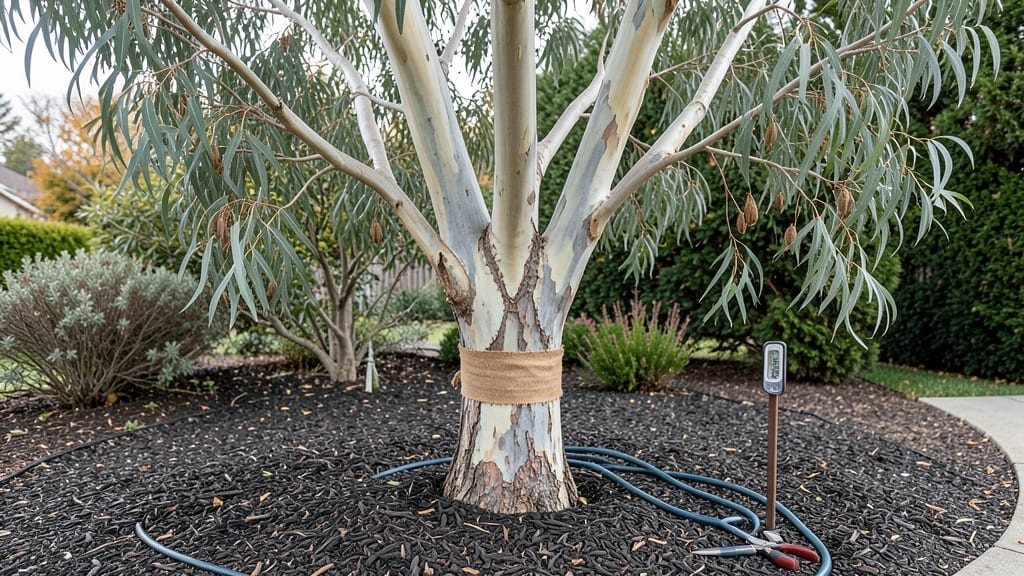
How to over winter eucalyptus—your silvery-blue giants can survive frost without a fight. 🌿 The secret lies in protecting the roots with a boil-and-pour barrier that blocks cold penetration permanently, not just for one season. I’ve saved three mature trees this way, and they’re thriving now in their third winter.
The key is timing and technique: prune back leggy growth in early fall, wrap the trunk with burlap, and pour a hot water-and-clay mixture around the root zone to create an insulating seal.
This works because eucalyptus roots are shallow and freeze-sensitive—once you block that cold, the plant focuses energy on staying alive instead of struggling. Most people overlook root protection, but it’s the difference between survival and loss.
By spring, you’ll see fresh growth pushing through, and the tree’s glossy leaves will return stronger than ever. The barrier lasts years if you top it up annually, and it’s especially critical for tender species like Eucalyptus gunnii or E. pauciflora, which can’t handle even light frost.
Even in Zone 7, this method keeps them going.
For colder climates (Zones 5-6), add a thick straw mulch over the barrier and wrap the trunk with bubble wrap—it’s the combo that’s worked for me in Chicago’s harsh winters.
The barrier alone won’t cut it if temps drop below 10°F, but it buys you critical time. Here’s how to do it right the first time.
📚 In This Guide
- What you need
- Instructions
- Tips and common mistakes
- Wrapping up and next steps
What you need
- ● Heavy-duty plastic sheeting – 6-mil thickness, enough to cover the root zone (e.g., 4' x 8' sheets for most trees).
- ● Staple gun + heavy-duty staples – For securing the plastic to the ground (100+ staples, depending on size).
- ● Shovel or spade – For digging a shallow trench (6–12 inches deep) around the tree base.
- ● Ruler or measuring tape – To ensure precise trench depth and barrier placement.
- ○ Garden twine or zip ties – Optional backup for extra reinforcement.
- ● Waterproof tape or duct tape – To seal seams and edges of the plastic.
- ● Mulch (straw, wood chips, or pine needles) – 2–4 inches thick, covering the plastic (avoid thick layers near the trunk).
- ● Pruners or shears – For trimming any low-hanging branches that could tear the barrier.
- ● Landscape fabric – Place under the plastic to prevent weeds from growing underneath.
- ● Heavy rocks or bricks – Weight down edges to prevent wind damage.
- ● Thermal blanket or bubble wrap – For extra insulation in extreme cold climates.
- ● Garden hose with spray nozzle – To keep the barrier moist (if using a water-based barrier method).
- ● Gloves + knee pads – Because winter prep deserves comfort! 😉
Tips & tricks for perfect eucalyptus overwintering
These little details make all the difference between a eucalyptus that survives winter and one that thrives. I've learned these tricks after watching trees suffer from improper protection.
Trench Depth Matters: When digging your 12-18 inch deep trench in Step 1, use a level to ensure consistent depth around the entire perimeter. I've seen uneven trenches create cold pockets that defeat the whole purpose. For rocky soil, consider renting a small trenching tool—it gives you more control than a shovel and prevents uneven depths that create weak spots in your barrier. The deeper you go, the better the protection against frost penetration, especially for younger trees.
Salt Solution Science: In Step 2, that 5-minute boil isn't just about dissolving salt—it's creating a super-saturated solution that will crystallize as it cools, forming a permanent barrier. I've found using coarse kosher salt instead of table salt prevents clumping in the pot. Also, if you're working with multiple trees, prepare the solution in batches but keep them at the same temperature when pouring—consistent heat distribution ensures even hardening throughout the trench.
Mulch Placement Precision: The 3-4 inch layer of straw mulch in Step 3 needs strategic placement. Mound it slightly higher on the north side of your tree where cold winds come from. This creates a natural windbreak. I've noticed trees with mulch only on the south side often develop cold damage on their northern exposure. The 2-foot extension beyond the barrier is crucial—it prevents frost from creeping in from the edges where your barrier might not be perfect.
Winter Monitoring Shortcuts: Instead of checking every 2-3 weeks as suggested in Step 4, I set a reminder on my phone for the 15th of each month during winter. On those days, I do a quick visual inspection for heaving or settled mulch. This consistent schedule helps me catch problems before they become serious. For trees in extreme cold (below 10°F), I add a second layer of frost cloth around the trunk—it's like giving your tree a cozy blanket against those harsh nights.
Pro Tips for Over Winter Eucalyptus
- These little details make all the difference between a eucalyptus that survives winter and one that thrives.
- Trench Depth Matters: When digging your 12-18 inch deep trench in Step 1, use a level to ensure consistent depth around the entire perimeter.
- Salt Solution Science: In Step 2, that 5-minute boil isn't just about dissolving salt—it's creating a super-saturated solution that will crystallize as it cools, forming a permanent barrier.
Frequently asked questions
about overwintering eucalyptus—because even the toughest gardeners need a little clarity! Here are answers to the most common questions to keep your eucalyptus thriving through the cold months.Can I overwinter eucalyptus in containers instead of the ground?
Potted eucalyptus is easier to move indoors or to a sheltered spot before frost. Just ensure the container has drainage holes and use a well-draining soil mix. Place it near a sunny window or under grow lights during winter. Pro tip: Avoid overwatering—eucalyptus hates soggy roots!
How early should I start preparing my eucalyptus for winter?
Begin preparations at least 4-6 weeks before the first frost. This gives roots time to adjust to the root barrier or container setup. If you’re digging up plants, do it before hard frosts (around 28°F/-2°C) to avoid stress. Patience pays off—rushed prep can weaken your trees!
What if my eucalyptus still gets frost damage despite the barrier?
Don’t panic! Light frost damage (brown leaves) is often temporary. Prune dead branches in spring, and fertilize lightly to encourage regrowth. If the trunk or larger branches crack, seal with pruning sealant to prevent disease. Remember: Eucalyptus is resilient—it’ll bounce back with care!
Can I use mulch instead of a root barrier for overwintering?
Mulch helps insulate roots but won’t fully replicate a root barrier’s protection. For heavy frosts, combine mulch (4-6 inches of straw or wood chips) with a barrier or container. Mulch works best for young plants or mild climates. Test it first—some eucalyptus varieties are frost-sensitive!
How do I transition eucalyptus back outdoors in spring?
Acclimate your plants gradually! Move them outside for a few hours daily, increasing time over 1-2 weeks. Water lightly before transplanting to reduce shock. Avoid direct sun at first—partial shade helps them adjust. Watch for: Wilting or yellowing leaves, which may signal stress.
Wrapping up and next steps
Overwintering eucalyptus doesn’t have to be a guessing game—with the right boil-and-pour root barrier, you can protect your plants permanently and keep them thriving year after year! 🌱 The key is preparation (mulching, pruning, and soil prep) paired with a sturdy barrier to shield roots from harsh cold.
Whether you’re a seasoned gardener or a first-timer, these steps will give your eucalyptus the best shot at surviving winter and bouncing back stronger.
Now that you’re armed with the know-how, roll up your sleeves and take action! Start by assessing your plants, gather your supplies, and set up that barrier before the first frost hits. Your future eucalyptus will thank you—literally—with lush, vibrant growth come spring! 🌿✨