
Size
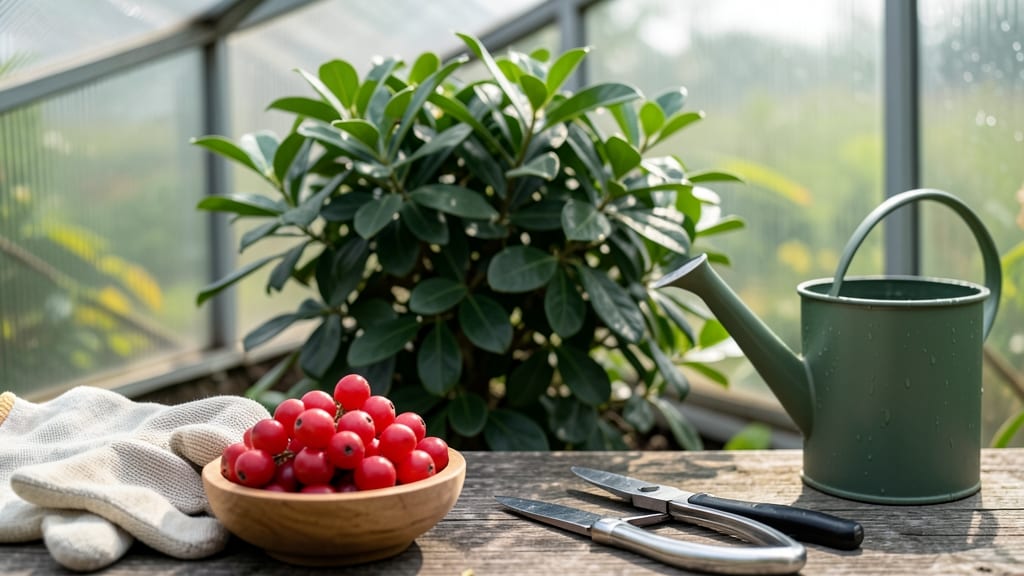
How to grow miracle fruit is easier than you think—this tiny berry changes everything. 🌿 This tropical curiosity makes sour foods taste sweet, but mastering its care takes patience and the right conditions. I’ve grown mine in containers for three years, and now I’m sharing how to bring this flavor-altering wonder home.
You’ll need a warm spot (zones 10-11 or indoors year-round), well-draining soil, and either seeds or cuttings. Miracle fruit thrives on neglect once established—just keep it moist but never soggy. The real magic happens when those small red berries ripen, revealing their flavor-altering superpower.
By summer’s end, you’ll be harvesting enough fruit to share with friends—just one berry turns lemons into candy. The plants grow slowly but reward you with years of unique harvests. Perfect for adventurous gardeners with sunny windows or greenhouses.
Fair warning: It takes about six months for seeds to sprout, and cuttings need consistent humidity. But once it’s growing, your kitchen will never taste the same again. Here’s how to get started without the guesswork.
📚 In This Guide
- What you need
- Instructions
- Tips and common mistakes
- Wrapping up and next steps
What you need
- ● Miracle fruit seeds – 2–5 seeds (fresh or dried, but ideally fresh for better germination).
- ● Well-draining potting mix – A blend of peat moss, perlite, and coconut coir (or a cactus/succulent mix with added sand for aeration).
- ● Small pots or seed trays – 3–4 inch diameter pots (or a tray with drainage holes) for seedlings.
- ● Grow lights or a sunny windowsill – Miracle fruit loves bright, indirect light (6+ hours daily).
- ● Spray bottle – For gentle watering (avoid soaking the soil).
- ● Humidity dome or plastic wrap – Helps maintain moisture during germination.
- ○ Fertilizer (optional but helpful) – A balanced liquid fertilizer (10-10-10) diluted to half-strength for young plants.
- ● Patience – Germination can take 4–12 weeks (sometimes longer!).
- ● Warmth – Ideal temperatures: 70–85°F (21–29°C). Avoid cold drafts!
- ● Humidity – Miracle fruit thrives in 60–80% humidity (a humidifier or pebble tray helps).
- ● Space – Mature plants need 3–5 feet of height and a 4–6 inch pot (or larger for outdoor growing).
- ● 🔥 Soak seeds overnight before planting to soften the hard outer shell.
- ● 🌡️ Use a heat mat (75–85°F) to speed up germination.
- ● ✨ Rotate pots weekly for even light exposure.
Tips & tricks for growing miracle fruit indoors
These insider tricks will help you cultivate a thriving miracle fruit plant that produces flavor-transforming berries—without the guesswork.
Lighting Strategy: Position your plant near a south-facing window for the brightest indirect light, but rotate it quarter-turn weekly to prevent lopsided growth. If using a grow light, position it 12-18 inches above the plant and keep it on for 12-14 hours daily—this mimics natural daylight cycles and prevents leggy stems. I notice the leaves develop a deeper green when they get consistent light exposure.
Root Health Check: When repotting or inspecting roots, look for white, firm roots—these are healthy. Dark, mushy roots indicate overwatering, while dry, brittle roots signal underwatering. If you find tangled roots in Step 1, gently separate them with your fingers (no tools needed) to encourage outward growth. This simple step prevents root-bound stress that stunts fruit production.
Humidity Hacks: For the 60-70% humidity requirement, place your pot on a tray filled with pebbles and water—just ensure the pot sits above the waterline. Grouping plants together also creates a microclimate that boosts humidity naturally. I’ve found that misting 2-3 times weekly works best in dry climates, but avoid soaking the leaves, which can lead to fungal issues.
Pruning Precision: When pruning in early spring, focus on removing stems that grow toward light sources—they’ll be thinner and less productive. Cut just above a leaf node (the bump where leaves attach) to encourage new growth. I always sterilize my pruning shears with rubbing alcohol between cuts to prevent spreading disease, especially when working with tropical plants.
Pro Tips for Grow Miracle Fruit
- These insider tricks will help you cultivate a thriving miracle fruit plant that produces flavor-transforming berries—without the guesswork.
- Lighting Strategy: Position your plant near a south-facing window for the brightest indirect light, but rotate it quarter-turn weekly to prevent lopsided growth.
- Root Health Check: When repotting or inspecting roots, look for white, firm roots—these are healthy.
Frequently asked questions
Got questions about growing miracle fruit? You're not alone!
Here are some of the most common queries—plus straightforward answers to help you cultivate this flavor-altering wonder with confidence.
How long does it take for miracle fruit to bear fruit?
Patience is key! Miracle fruit plants typically take 12–24 months to produce berries after planting, depending on growing conditions. With proper care—like consistent warmth (70–85°F), humidity, and bright indirect light—you might see your first harvest sooner. Pro tip: Prune regularly to encourage bushier growth and more fruiting branches.
Can I grow miracle fruit from a store-bought berry?
Yes, but success isn’t guaranteed! Store-bought berries are often pasteurized or treated to prevent sprouting. For best results, save seeds from a fresh, organic berry (or buy seeds online). Soak seeds in warm water for 24 hours to soften the shell, then plant them in moist, well-draining soil. Germination can take 2–4 weeks—stay patient!
What if my miracle fruit plant isn’t thriving in cold climates?
Miracle fruit (Synsepalum dulcificum) is a tropical plant and cannot tolerate frost. If you live in a cold climate, grow it indoors year-round near a sunny window or under grow lights. In summer, move it outdoors for fresh air, but bring it inside before temperatures drop below 50°F. A humidity tray or misting can also mimic its natural habitat. →
How do I know when miracle fruit berries are ripe and ready to pick?
Ripe miracle fruit berries are bright red or orange and slightly soft to the touch (but not mushy). They’ll also detach easily from the stem when gently tugged. Unripe berries are green and bitter—wait for the color change! Once picked, berries last 1–2 weeks in the fridge (or freeze them for longer storage). → (flavor transformation alert!)
Are there alternatives if miracle fruit doesn’t grow well for me?
If miracle fruit proves tricky, try these flavor-enhancing alternatives:
- Serendipity berry (Synsepalum laetum): A milder, longer-lasting cousin.
- Miracle berry lookalikes: Some Capparis species (like caper bushes) offer unique tastes.
- Spices/herbs: Star anise, cinnamon, or even sweet basil can subtly alter flavors (no magic, but fun!)
Or experiment with fermented or pickled foods—they naturally develop umami or tangy profiles!
Wrapping up and next steps
Growing miracle fruit is a rewarding adventure that brings a tropical twist to your meals—and your garden! 🌱 With patience, the right conditions, and a little care, you’ll soon be harvesting these flavor-altering berries to transform sour into sweet.
Whether you’re a seasoned gardener or a curious beginner, this guide makes it simple.
Ready to take the next step? Start with just one plant and experiment with ripening techniques. Once you’ve mastered the basics, expand your collection or share the magic with friends. Your taste buds—and dinner table—will thank you! 😋