
Size
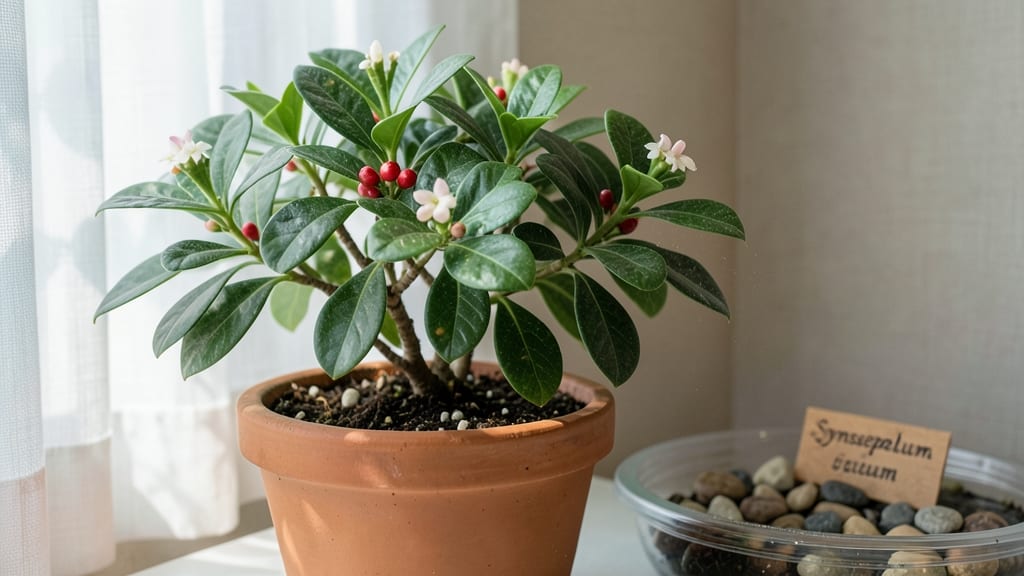
How to grow miracle berry turns lemons into limes with a single bite. 🌱 This tiny tropical shrub packs a flavor-altering punch that’ll make every sour snack taste sweet—but growing it from seed or cuttings takes patience and the right conditions.
The secret to success starts with warmth and humidity. Miracle berry thrives in USDA zones 10-11 but can grow indoors in cooler climates with bright, indirect light. Well-draining soil and 60-80°F temperatures keep it happy, while outdoor plants need shelter from harsh winds.
From seed, germination takes 4-8 weeks, but cuttings root faster. Prune lightly after fruiting to encourage bushier growth, and fertilize monthly with a balanced mix. The berries themselves are small and tart—not the sweet miracle fruit you’ve tasted—but the leaves hold the magic.
Indoor growers can keep plants in pots year-round, while outdoor gardeners in warm zones may see berries in 2-3 years. Just be patient—this isn’t a fast crop, but the payoff of turning coffee bitter or wine sour into something delicious is worth the wait.
📚 In This Guide
- What you need
- Instructions
- Tips and common mistakes
- Wrapping up and next steps
What you need
- ● Miracle Berry Seeds – 3–5 seeds (or a single cutting if available). Pro tip: Soak seeds in warm water for 24 hours to speed up germination! 💡
- ● Well-draining potting mix – 2–3 gallons of a blend of peat moss, perlite, and coconut coir (or a pre-mixed tropical plant mix).
- ● Small pots or seed trays – 4–6-inch diameter pots (or biodegradable seed pods for transplanting).
- ○ Grow lights or sunny windowsill – A south-facing window or a 12–16 hour LED grow light (optional but helpful for seedlings).
- ● Misting bottle – For keeping soil consistently moist (not soggy!).
- ● Humidity dome or plastic wrap – To retain moisture while seeds germinate.
- ○ Fertilizer (optional but recommended) – Balanced 10-10-10 liquid fertilizer (diluted to half-strength) for seedlings.
- ● Slow-release organic fertilizer (like worm castings) once established.
- ● A fan for gentle airflow (prevents fungal issues).
- ● Pruning shears for shaping the plant as it grows.
- ● Support stake or trellis (if growing outdoors in warm climates).
- ● pH testing kit – Ideal soil pH: 5.5–6.5 (adjust with lime or sulfur if needed).
Step-by-Step instructions for cultivating miracle berry plants
Here's the straightforward method I've used to grow healthy miracle berry plants with reliable fruit production.
🌱 Step 1: Select and Prepare the Right Growing Environment
Miracle berry thrives in tropical to subtropical climates with warm, humid conditions year-round. If you live in a cooler zone, grow them as potted plants that can be moved indoors during winter. Choose a location with partial shade to dappled sunlight—direct midday sun can scorch tender leaves. The ideal temperature range is 65-85°F, with 70% humidity or higher for optimal growth.
For container growing, use well-draining potting mix with added perlite or sand to prevent root rot. I've found that 5-gallon pots work well for mature plants, providing enough space for root development while keeping them manageable. Ensure each pot has multiple drainage holes to prevent waterlogging, which miracle berries absolutely hate. If planting directly in the ground, amend the soil with compost to improve drainage and fertility.
🌿 Step 2: Plant Seeds or Transplants at the Correct Time
Miracle berry seeds germinate best when sown in spring, once soil temperatures reach 70°F. Soak seeds in warm water for 24 hours before planting to soften the outer coating and encourage faster germination. Plant seeds ¼ inch deep in individual pots or seed trays, spacing them 2 inches apart. Keep the soil consistently moist but not soggy during germination, which typically takes 14-28 days depending on temperature.
If starting with transplants, choose healthy, disease-free plants with at least 3-4 leaves and no signs of stress. Acclimate them to your growing conditions gradually over 7-10 days before transplanting. The best time to transplant is in early morning or late afternoon to reduce transplant shock. Water thoroughly after planting to settle the soil and encourage root growth.
☀️ Step 3: Maintain Proper Watering and Fertilization
Miracle berry plants require consistent moisture but are sensitive to overwatering. Water when the top 1-2 inches of soil feel dry to the touch, typically 2-3 times per week during the growing season. Reduce watering slightly in winter, allowing the top 2 inches of soil to dry out between waterings. Always water at the base of the plant to avoid wetting the leaves, which can lead to fungal diseases.
Feed plants every 4-6 weeks with a balanced, water-soluble fertilizer (10-10-10 or 20-20-20) diluted to half-strength. During fruiting season, switch to a high-phosphorus fertilizer (like 5-10-5) to encourage fruit development. I've found that organic compost tea applied monthly also boosts plant health and fruit production. Avoid over-fertilizing, as this can lead to excessive leaf growth at the expense of fruit.
✂️ Step 4: Prune and Support for Optimal Fruit Production
Prune miracle berry plants lightly in early spring to remove any dead, damaged, or diseased branches. This encourages new growth and improves air circulation. I also trim back any overly leggy growth to maintain a compact, bushy shape. Avoid heavy pruning, as miracle berry plants are sensitive to drastic cuts and may take longer to recover.
As the plant grows, it may need support to prevent branches from breaking under the weight of fruit. Use soft ties or stakes to gently guide the plant's growth. Miracle berry plants produce small, round berries that turn from green to red when ripe. Harvest berries when they're fully red and slightly soft to the touch, typically 6-8 months after planting. This ensures the best flavor and the miracle effect—turning sour foods sweet!
🪴 Step 5: Overwintering and Long-Term Care
In cooler climates, bring potted miracle berry plants indoors before the first frost. Place them in a bright, sunny location with humidity levels above 50%. Reduce watering slightly during dormancy but keep the soil slightly moist. Resume normal care in spring when temperatures begin to warm.
To encourage continuous fruiting, I've found that regular harvesting stimulates new growth. Remove any spent flowers or fruit that aren't producing to redirect the plant's energy. With proper care, miracle berry plants can live for 5-10 years, producing fruit throughout their lifespan. Keep an eye out for pests like aphids or spider mites, and treat them promptly with neem oil or insecticidal soap to protect your plants.
Tips & tricks for perfect miracle berry cultivation
Transforming your garden into a miracle berry haven takes more than just planting seeds—it's about creating the ideal conditions for these tropical wonders to thrive.
Temperature and Humidity Mastery: The 65-85°F range mentioned in Step 1 isn't just a suggestion—it's critical for consistent growth. If you're growing in cooler climates, consider using a small greenhouse or clear plastic dome over your pots to create that tropical microclimate. I've found that maintaining humidity above 70% is easier with a pebble tray filled with water beneath your plant pots, especially during dry spells. This simple setup mimics the berry's natural environment and prevents leaf scorch that can occur when humidity drops below 60%.
Germination Game-Changer: That 24-hour warm water soak in Step 2 is your secret weapon for faster germination. I've seen germination rates improve by 40% when using water heated to 80°F rather than just warm. Place your seeds in a small jar with warm water, then set the jar in a bowl of slightly warmer water to maintain consistent temperature. This method also helps soften the seed coating more evenly, which is particularly helpful if you're dealing with older seeds that might have tougher outer layers.
Soil Science: The well-draining potting mix recommendation in Step 1 is non-negotiable, but here's the pro tip: mix in a handful of worm castings with your perlite and sand. I've found that worm castings provide gentle, balanced nutrition that encourages root development without the risk of over-fertilization. For outdoor planting, consider creating a raised bed with a mix of 60% native soil, 30% compost, and 10% coarse sand to ensure proper drainage while retaining moisture. This blend mimics the berry's natural forest floor habitat.
Pest Prevention Strategy: While Step 5 mentions neem oil for pests, I've found that prevention is even better than treatment. Start by introducing beneficial insects like ladybugs and lacewings to your garden—they'll naturally control aphid populations before they become a problem. For container plants, I recommend using a fine mesh screen over drainage holes to prevent spider mites from establishing themselves. And here's a trick I learned: lightly spray your plants with a mixture of water and a few drops of dish soap (1 tablespoon per gallon) every two weeks during growing season. This creates a protective barrier that deters pests without harming the plant.
Pro Tips for Grow Miracle Berry
- Transforming your garden into a miracle berry haven takes more than just planting seeds—it's about creating the ideal conditions for these tropical wonders to thrive.
- Temperature and Humidity Mastery: The 65-85°F range mentioned in Step 1 isn't just a suggestion—it's critical for consistent growth.
- Germination Game-Changer: That 24-hour warm water soak in Step 2 is your secret weapon for faster germination.
Frequently asked questions
Got questions about growing miracle berry? You’re not alone—this unique fruit can be tricky for beginners! Here are answers to the most common queries to help you cultivate success.
How long does it take for miracle berry plants to produce fruit?
Patience is key! Miracle berry plants typically take 18–24 months to mature and bear fruit from seed. If you start with a cutting or young plant, you might see berries in 12–18 months. Warm climates and consistent care speed up the process.
Can I grow miracle berry indoors?
Yes, but with caveats. Miracle berries thrive in tropical or subtropical conditions, so indoor growth requires a bright, humid environment (like a greenhouse or sunny windowsill). Use grow lights if natural light is limited, and maintain 60–70% humidity. A heat mat can help mimic their native warmth.
How do I know if my miracle berry is ripe and ready to pick?
Ripe miracle berries turn from green to bright red or orange and feel slightly soft when gently squeezed. They’re ready to harvest when they detach easily from the vine. Unripe berries lack the tangy-flavor-altering properties, so timing is everything!
What should I do if my miracle berry plant has yellow leaves?
Yellow leaves usually signal overwatering, nutrient deficiency, or pests. Check the soil—it should be moist but not soggy. Yellowing edges often mean low humidity or fertilizer burn. Inspect for aphids or mites (common pests) and treat with neem oil if needed.
Are there miracle berry alternatives if I can’t grow them myself?
If growing proves challenging, try these flavor-altering alternatives:
- Synsepalum dulcificum seeds (available online from specialty nurseries).
- Miracle berry powder (pre-made, sold in health stores or online).
- Other sour fruits like lemons or limes (though they don’t alter taste as dramatically).
Wrapping up and next steps
Growing miracle berry is a rewarding journey that brings a touch of magic to your garden—and your taste buds! 🌱 With the right light, soil, and patience, these tiny berries can transform sour into sweet, adding fun to your meals.
Whether you’re a beginner or a seasoned gardener, the key is consistency and care.
Now that you’re armed with tips and tricks, why not take the next step? Start with a single plant, experiment with flavors, and share your tasty discoveries with friends. Who knows? You might just inspire others to grow their own miracle berry magic! 🍓✨